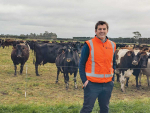
New Dairy Holdings CEO Backs Self-Contained Model
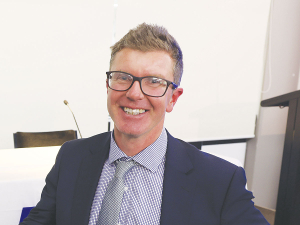
Running a tight and self-contained ship is the key to the success of the country's largest dairy farmer, says Blair Robinson, the new man at the helm of Dairy Holdings.




 increase font size
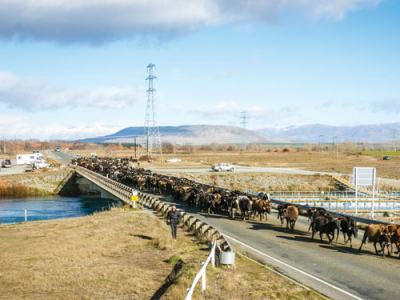 Take the right precautions to lower the risk of cross contamination.
With Gypsy Day around the corner, stock and equipment will be moving between properties, so farmers need to ensure they take the right precautions to lower their risk of cross contamination.
“The outbreak of Mycoplasma bovis (M. bovis) means farmers need to take the lead in ensuring their greatest assets are protected,” says Michael Lee, agribusiness specialist and partner at Crowe Horwath.
“Policies need to be in place prior to stock leaving farms, and there needs to be clear communication of these to trucking companies, and all employees and contractors on the farm,” Lee explains. “The potential of loss is huge, with dairy farmers potentially losing their greatest asset, their cattle. It would mean they would essentially have no income.”
The Ministry of Primary Industries (MPI) has published information around the current risk and is being transparent in their attempts to stop the spread of M. bovis. However, the industry is still struggling, as there is yet to be clear guidelines circulated to people such as trucking companies, who are a key component to dairy farmers in the next month, with stock moving for winter grazing and Gypsy Day.
Lee says equally important, is ensuring the transportation companies have strict policies on only transporting one farm’s stock at a time.
“Also, that the truck is empty of effluent and fully disinfected before the truck arrives on the property.”
“With the unavoidable movement of stock, farmers need to have strict policies in place and communicate these well. They need to ensure contractors and workers are aware of the policies prior to entering the property.
“Farmers are urged to get in contact with agri professionals for policies or guidelines around lowering your risk of contracting M. bovis, but if you have any concerns for your animals’ health contact a professional.”
Running a tight and self-contained ship is the key to the success of the country's largest dairy farmer, says Blair Robinson, the new man at the helm of Dairy Holdings.
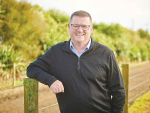
OPINION: It's no surprise that "world-class biosecurity" continues to dominate as the top priority for agribusiness leaders, holding the number one spot for the 16th consecutive year in KPMG's latest agribusiness report.
Compensation assistance for farmers impacted by Mycoplama bovis is being wound up.
New Zealand's world-first Mycoplasma bovis eradication programme is making great strides but this isn't the time for complacency, says Ospri.
A national pest management plan to eradicate Mycoplasma bovis (M. bovis) will come into effect by the end of this year.


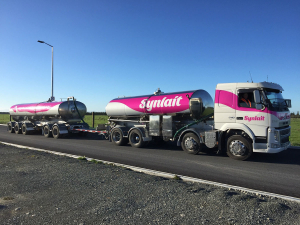
Synlait has swung to second-half profit as operations stabilise, but the dairy processor still posted a $75.4m annual loss.
LIC shareholders have elected a new North Island representative to the co-operative's Board, along with five representatives to its Shareholder Reference Group (SRG), following the company's Annual Meeting held in Invercargill.
Farmers across parts of Southland and South Otago are continuing to deal with difficult conditions after a prolonged run of wet weather, with pressure building around feed supply, stock management, pasture damage, farm infrastructure and everyday workloads.
Federated Farmers says it welcomes Labour's commitment to reviewing the Sharemilking Agreements Act, calling on other major parties to do the same.
For Canterbury dairy farmers Sian Meijer and Rick Wobben, wearable technology has become one of their most valuable on-farm tools - helping manage 1850 cows across an expansive, high-performing dairy operation while improving efficiency, mating outcomes and day-to-day decision making.
Fonterra has unveiled its annual results for the 2026 financial year, posting $27 billion in revenue and close to $20 billion returned to New Zealand farmer owners and unit holders.


OPINION: It seems Canterbury processor Synlait is still in the doldrums.
OPINION: Get offside with New Zealand First leader Winston Peters at your own peril.




