The fate of 28,000 cows in quarantine in New Zealand and supposedly destined for China in the coming weeks hangs in the balance.
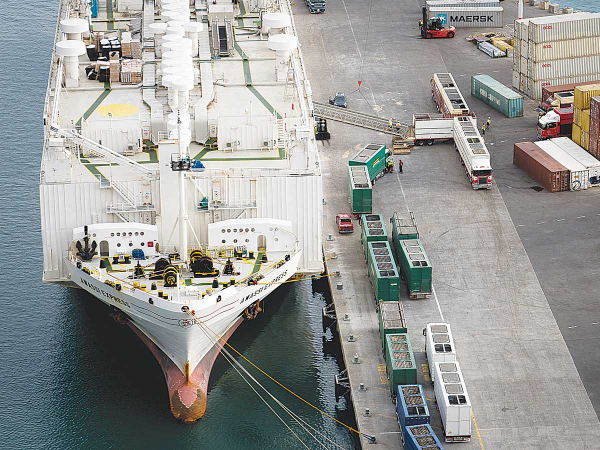
This is because the Ministry for Primary Industries (MPI) has called an immediate halt to live animal exports following the sinking of the Gulf Livestock 1 off the coast of Japan. The ship left Napier on August with 43 crew including two New Zealanders and 6000 cattle bound for China. As Dairy News went to press, only two survivors from the ship had been found.
MPI is now investigating the sinking and has stopped all live exports until this is completed.
MPI veterinarian and director for animal welfare, Dr Chris Rodwell, says given the search for vessel is still underway, it is difficult to put a timeframe on anything at this point.
He says they want to understand what happened during the sailing of the Gulf Livestock 1.
“MPI, the Ministry of Foreign Affairs and Trade, Maritime NZ and our Australian and Japanese counterparts and exporters are working together to learn more.
“We want to be assured that before there are any decisions about another shipment, and people and livestock make a journey, that we know what took place here in more detail,” he says.
Rodwell says MPI is talking to the exporters about the 28,000 cows currently in quarantine, and they advise that there are no feed shortages in these facilities, the environmental conditions are good and the animals’ needs are well managed. He says MPI is actively working with the exporters on what options are available.
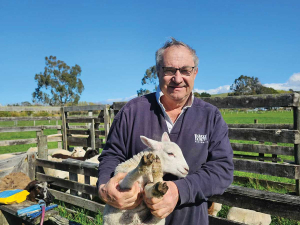
Meanwhile, the general manager of NZ Farmers Livestock Ltd, Bill Sweeney, says he understands the need for the MPI inquiry.
He says the sinking of the ship and the loss of the crew is tragic. NZ Farmers Livestock helps procure live animals for export.
There had been some talk that the cattle in quarantine might have been allowed to be shipped and then a halt called, but Sweeney says it’s clear this isn’t going to happen.
He says in the last eight months about 40,000 cattle have been exported and with another 28,000 ready to go, it would be one of the biggest years for live exports.
“It isn’t always like this. When the market overheats, China will pull out. For example, about two years ago only about 14,000 cattle were exported,” he says.
Sweeney has been in the livestock business for more than 40 years and says back in the early days the method of shipping animals overseas was not as it should have been, with a few fly-by-night exporters giving the rest of the industry a bad name. But he says this changed and the cattle are well looked after on their voyage.
“The mortality rate on current voyages at present is point one of a percent over the 40,000 shipped out, which is no higher than the death rate if they had stayed in NZ. The rates would have been massively higher when they were shipping them years ago. Now the animals are extremely well cared for and the diet they are on is highly nutritious. The exporters are working to some super high standards,” he says.
Sweeney says the live export trade is valuable to farmers and some make a point of targeting the trade. He says a heifer destined for export would sell for about $1,400 whereas it would fetch about half that on the local market.
“And remember that if some of these animals weren’t reared for the export trade, they would likely be slaughtered as bobby calves,” he says.