
Farmers Warned Over Track Dangers After Wairarapa Floods
The terrible floods that hit the Wairarapa may have subsided, but the danger to farmers still exists, according to local Federated Farmers president Rob Hickson.




 increase font size
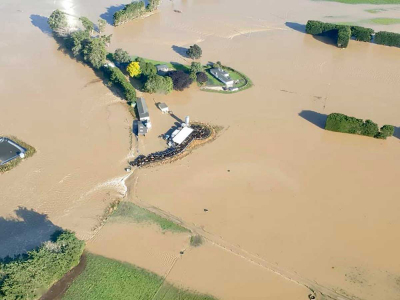 Floods are ravaging Southland-South Otago. Photo: High Country Helicopters/Facebook.
Flooding is affecting over 100 dairy farms in Southland and South Otago, says DairyNZ.
With swollen rivers still rising in some areas, the scale of damage is unknown at this time.
DairyNZ’s South Island manager, Tony Finch says these farms are either under water or cut off with access roads flooded.
“We’re in phone contact with many of the farmers. It’s a dire situation for many right now. Their key focus is to get their people and their animals to safety,” he says.
“Farmers and their teams are moving their cows to higher ground where they can, and we know of some who have been able to relocate their herd to their neighbour’s farm out of the danger zone.”
While flooding ravages Southland-South Otago, dairy farmers in other parts of the country, in particular Northland, are facing drought conditions.
Dairy farms in the Southland-South Otago Oreti, Aparima and Clutha river catchments are the most severely impacted with the flooding and many areas are now also without power.
With access to the farms cut off, dairy companies are unable to get tankers in to collect milk, which means many farmers will need to dispose of the uncollected milk.
“Added to this, the flooding has impacted effluent management systems on many of the farms so farmers now also face the challenge of how to dispose of this in the best way,” says Finch.
Farmers in the affected regions are working together to accommodate animals on any dry land there is.
“We’re also talking with farmers where the milk tankers can reach them, and many are sharing their milking sheds with neighbours who’re flooded.”
As well as farmers helping each other, Finch says impacted farmers can contact DairyNZ for help and advice.
“Adverse events like flooding create a lot of stress. I urge any farmers or farm team members who need support to give us a call, or contact the Rural Support Trust. Any farmers needing advice on managing effluent should get in touch with their local councils.”
DairyNZ will continue to monitor this situation to assess the information and support farmers require.
Farmers can call 027 226 4420 or 0800 4 DairyNZ (0800 4 324 7969) Monday-Friday 8am-4.30pm.
Rural Support’s phone number is 0800 787 254.
The terrible floods that hit the Wairarapa may have subsided, but the danger to farmers still exists, according to local Federated Farmers president Rob Hickson.

With forecasters advising El Niño conditions will develop through winter and strengthen into spring and summer, Ballance Agri-Nutrients is encouraging farmers and growers to think ahead about nutrient planning and be prepared to work around challenging weather conditions.
New Zealand’s rural sector has once again demonstrated its generosity, with the second Rural Industry Leaders Dinner, Debate and Auction raising an impressive $400,000 for the Rural Support Trust.
The Rural Support Trust is hosting a series of community wellbeing events featuring former NZSAS soldier and Victoria Cross recipient Willie Apiata.
Recent weather events in the Bay of Plenty, Gisborne/Tairawhiti, and Canterbury have been declared a medium-scale adverse event.


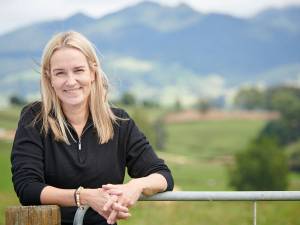
Minister of Conservation Hon Tama Potaka has appointed Susan O'Regan as Chair of the Queen Elizabeth II National Trust (QEII) for a three-year term.
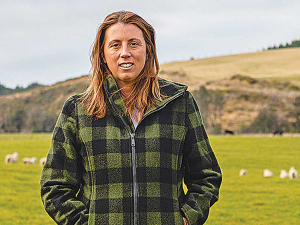
Red meat farmers are welcoming Labour’s plan to review the Emissions Trading Scheme and not to campaign on pricing agricultural emissions.
Where any worker in the kiwifruit industry is mistreated, we expect the authorities to take action.
Mid Canterbury Federated Farmers arable chair, Bevan Lill, said Beef + Lamb NZ data indicated that for the last six years, the average arable return on investment was about 0.8% while inflation ran about 4% - so the average arable farm was going backwards at about 3% a year.
Seed and grain companies share the concerns of arable farmers about the viability of their sector, says Seed and Grain New Zealand chief executive Dr Sarah Clark.
The New Zealand Institute of Forestry (NZIF) says unnecessary changes to New Zealand’s Emissions Trading Scheme (NZ ETS) will seriously erode investor confidence and result in significant reductions in forest planting rates.



OPINION: It seems Canterbury processor Synlait is still in the doldrums.
OPINION: Get offside with New Zealand First leader Winston Peters at your own peril.




