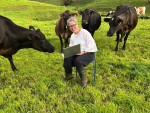
International Day of Rural Women: Two DairyNZ Farmers’ Stories
Today, 15 October, is the International Day of Rural Women, which recognises rural women’s contribution to farming, communities and the environment.




 increase font size
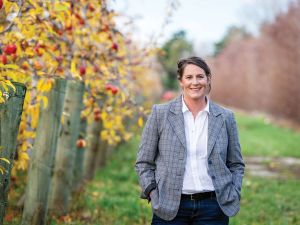
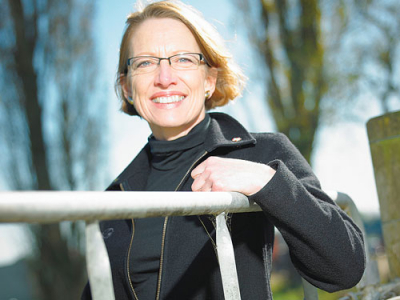 Jacqueline Rowarth.
Science, communication and how dairy works with other sectors to ensure New Zealand has a good reputation for sustainability will be a focus for Jacqueline Rowarth as a new director of DairyNZ.
Rowarth is one of two new farmer-elected directors and former Wellington City councillor; Jo Coughlan took a board-appointed position.
Rowarth says she has also always been interested in recruitment and how the sector gets good people as it makes money for NZ, she told Dairy News.
“It is just ensuring that people understand the good work done by the farmers of NZ, including the dairy sector which frequently gets a bit of a bad rap,” she says.
She thinks the sectors should be working together to ensure all other countries understand our efficiency in producing food. “There are very few countries that can match our lack of subsidies and efficiency of production per unit of greenhouse gas, nitrogen loss and labour hours.”
NZ agriculture is leading our productivity data; without the primary sector we would look dismal, she says.
“I am really positive and excited about being in this role and being able to work on what is already good and make it great.”
Rowarth was the first chief scientist at the Environmental Protection Authority. Other roles she has held include professor of pastoral agriculture at Massey University and professor of agribusiness at Waikato University.
She has 35 years experience as a soil scientist, with a research focus on managing the productive environment (nutrients and greenhouse gases). In 2011 she invested in a family-run dairy farm in Tirau.
Speakers at the DairyNZ annual meeting in Invercargill said sustainable farm systems and the new strategy’s six commitments will be crucial for dairy’s success.
DairyNZ chairman Jim van der Poel said the Dairy Tomorrow strategy launched in 2017 is now central to the sector’s progress.
“It has six commitments: the environment, resilient businesses, producing high quality nutrition, animal care, great workplaces and growing vibrant communities,” said van der Poel.
Today, 15 October, is the International Day of Rural Women, which recognises rural women’s contribution to farming, communities and the environment.
OPINION: New British Prime Minister Andy Burnham has said that farming and food production is a matter of ‘core national resilience’ and must be spoken about in Whitehall at the same level as issues with ‘defence, energy, water and steel’.
The first major update to the Dairy Cattle Code of Welfare in more than a decade has been released, marking what DairyNZ describes as an important step in ensuring animal welfare standards continue to evolve alongside scientific evidence and on-farm realities.
Have a plan in place for your cows and staff.
DairyNZ deputy chair Cameron Henderson has been re-appointed unopposed for another term.


National’s pledge to introduce 19 new national standards shows the party is serious about getting Wellington out of farming, Federated Farmers says.
The National Party’s policies to make it easier to grow fresh vegetables, secure reliable water and energy and simplify farm planning are practical changes that will give growers the confidence to invest, according to Horticulture New Zealand (HortNZ).
Fonterra Co-operative Group chief financial officer Andrew Murray has resigned to take up a role outside the dairy giant.
A major move is about to get underway to improve the quality and viability of dairy beef and cattle in NZ.
Veterinarians say changes to the code of welfare for dairy cattle provides a positive foundation for improved cattle welfare across the country.
Today, 15 October, is the International Day of Rural Women, which recognises rural women’s contribution to farming, communities and the environment.




OPINION: It seems Canterbury processor Synlait is still in the doldrums.
OPINION: Get offside with New Zealand First leader Winston Peters at your own peril.




