Synlait CEO Resignation Highlights Deeper Challenges Facing Dairy Processor
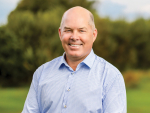
A revolving door of chief executives at milk processor Synlait is a warning sign, says Lincon University senior lecturer in agribusiness Nic Lees.




 increase font size
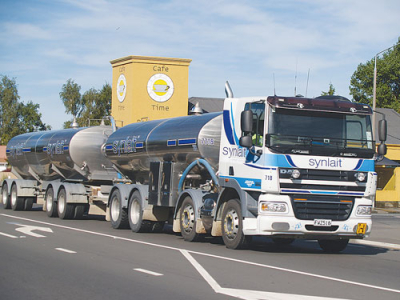 Synlait is working to bring technology to NZ which may reduce methane by 30-60% in animals’ rumens.
Synlait is working with companies in Europe to bring technology to NZ which will significantly reduce methane in the rumen of animals, says Hamish Reid, director of sustainability and brand.
“The technology has not yet been broadly publicly released,” he says.
“It is being developed by an organisation in the Netherlands and it is fed to animals in a feedstock. They have evidence over many years of testing to show it will result in a 30-60% reduction in methane in animals’ rumens.
“They have lots of peer-reviewed papers and evidence that it is absolutely possible.
“It has been designed for the barn-fed farming system in Europe so it is an experiment for NZ.
But the product has been tested on farms here and they are getting really good results so we are looking forward to being one of their early commercial partners to pioneer this product within our systems.”
Methane is about 60% of Synlait’s onfarm impact, Reid says.
“There is a lot of media attention on methane being a short-lived gas and perhaps not being the priority over the other two major gases – nitrous oxide and carbon dioxide. But we think as minimum methane should be contained and in the best case reduced, so that is why we have set a strong target to reduce methane.
“There is a symbiotic relationship between nitrous oxide reductions which we have proven [reducible] on best-case farms.”
This could also result in gains in addressing methane.
A revolving door of chief executives at milk processor Synlait is a warning sign, says Lincon University senior lecturer in agribusiness Nic Lees.

Troubled milk processor Synlait has lost its third chief executive in five years.
Two major acquisitions in the New Zealand dairy sector were completed this week.
OPINION: Synlait's latest half-year result reveals a serious problem at the heart of the business: its core operations are no longer bringing in enough revenue to cover the cost of production.
OPINION: Synlait's woes show no sign of ending anytime soon.
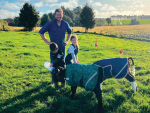

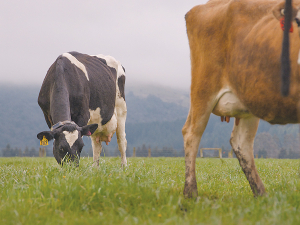
Halter has announced the six winners of its 2026 One Year Free competition, marking the biggest year yet for the annual award and the first time the company has expanded the field beyond its usual line-up.
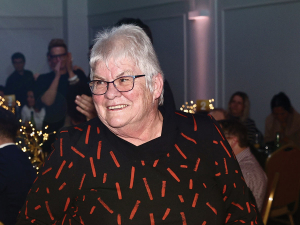
For 50 years, Tasman's Mel Ewers has been helping the apple sector navigate through compliance issues and training.
The New Zealand ploughing team to the world championship in Croatia next month will be banking on borrowed equipment as they seek glory.
Just a matter of hours after Indian Prime Minister Narendra Modi's historic trip to New Zealand, the political doors in India swung wide open for Associate Minister of Agriculture, Mark Patterson, who was there to help promote our high-quality coarse wool.
A new company set up to cultivate and supply seaweed for animal methane mitigation studies believes it could be a game changer for the dairy industry.
There's strong support from the horticulture sector for the Government's plans to overhaul and streamline the Recognised Seasonal Employer (RSE) scheme.
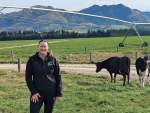

OPINION: The Irish dairy sector is facing a new dilemma - maintaining year-round fresh milk supplies.
OPINION: Could beef cows play an increasingly important role in improving profitability and resilience on hill country farms?