For the first time, all the big names in agricultural drone technology are being brought together under one marquee at the National Fieldays.
The Agricultural Drone Association has partnered with Fieldays to support the Drone Zone and bring along members, says association president Craig Simpson.
"The Drone Zone has been a fantastic addition by the Fieldays team. If you want to see where the future of ag drones is headed, that's the place to be," he told Dairy News.
He says the association's goal is to help educate and inform farmers, contractors, and rural professionals about what this technology can do - not just in theory, but in practice.
"Flying an ag drone isn't just about buying the hardware. You need proper training, certification, and an understanding of how to operate within New Zealand's aviation and environmental rules.
"That's why we've made sure the Drone Zone includes not just the tech companies, but also training providers, certification experts, and regulatory advisors. It's a space for real conversations, hands-on demos, and helping people take the next step."
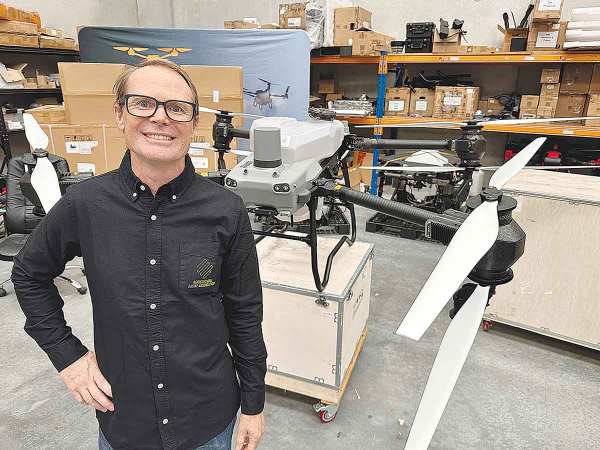
Simpson's company Aerolab is the largest supplier of commercial agricultural drones in New Zealand. Founded five years ago, the company has seen exponential growth. His company are showing multiple brands and models of very large ag drones.
"We will also be flying one to show off their ability. You will be able to check out a number of drones manufacturers and directly compare them."
Simpson says that over the past year, the ag drone sector has seen a real shift in momentum.
"Up until recently, there were around 80 large agricultural spray drones in operation across the country. But this year alone, that number has easily doubled - and it's still climbing," he says.
Simpson attributes this to the technology “hitting a sweet spot”.
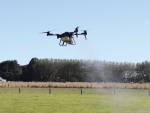
“A few years ago, drones were limited to carrying 20-litre tanks. Now we’re seeing models that can carry up to 80 litres with much longer flight times, which makes them a genuinely viable alternative to traditional ground or air equipment for many jobs,” he says.
Increased visibility is also driving growth. Simpson says that once farmers or contractors see an ag drone in action and how fast and precise they are it makes sense.
Simpson’s message to farmers is that drones are no longer a future concept, they’re a practical tool that’s already delivering real benefits.
“They’re especially useful in hard-to-reach or wet areas where vehicles can’t go, or where aircraft would be too expensive or impractical,” he adds.
“If you’re a farmer considering drones, the key message is this: start simple and get the right advice early. There are training pathways and support networks available to help you learn how to operate drones safely and within CAA rules. First off, you’ll need certification under Part 102, so we have a network of experienced trainers and to guide you through it.”
The return on investment is real. He says drones save time, reduce labour, and help farmers apply fertiliser or spray only where needed and when needed, which means less waste and lower costs.
“Our customers find their drone paid for itself within a single season.
“If you’re curious but unsure where to start, reach out to the Agricultural Drone Association or come to a field event like the Drone Zone at Fieldays. You’ll find demos, experts, and fellow farmers who’ve been through the journey and can help you get started. The technology is ready. The support is there. Now’s a great time to explore what drones could do for your business.”