DairyBase and MINDA Link Up to Cut Farmer Paperwork
Farmers can spend less time on paperwork, thanks to a new data sharing agreement between DairyNZ’s DairyBase and LIC’s MINDA software.




 increase font size
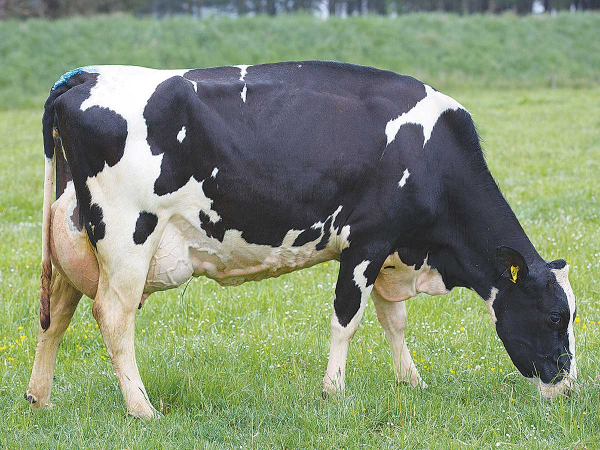 Meander ATM Apple-ETS1F Dam of Meander MH Armour ET S2F Discovery Project Bulls.
A breeding programme, delivering cows that milk better and are better for the environment, is progressing well.
The Discovery Project, a joint initiative between Holstein Friesian New Zealand (HFNZ) and LIC has delivered a total of 61 sires into LIC’s sire proving programme since 2013. Five of these sires have then gone on to graduate into LIC’s Premier Sires teams and been marketed.
Running since 2013, the project uses genomic testing to screen and select 300 of New Zealand’s best Holstein Friesian heifers every year.
Up to 50 heifers are then chosen to go on and provide eggs that are crossed with specially selected bulls.
Any resulting bull calves are then genetically screened for desired traits including the animal’s overall type, milk production potential and the animal’s potential for lowering environmental impacts including greenhouse gas emissions.
The aim is to continually improve the genetics of the national Holstein Friesian herd to produce cows that milk better and are better for the environment.
South Canterbury farmers Tony and Keri O’Connor, Tronnoco Farming Co Ltd, were founding participants in the initiative.
They bred Tronnoco MH Samba-ET S2F who has been selected into the LIC Premier Sires Forward Pack team this year, but Tony says the bull would never have existed if not for the programme, because the bull’s dam died as a two-year-old.
“Losing an animal is never something you want to happen but because of the programme we had the embryo and as a result we have Samba. That is also why there are not a lot of records for his dam,” says Tony.
Samba’s grand dam is creating her own legacy in his herd, however, having produced over 900kgMS three times and still milking in the herd at 10-years-old.
She has also produced two daughters that have also produced over 900kgMS, says Tony.
Without the programme those genetics would have been lost to the national herd.
The latest bull update places Samba as the third highest Holstein Friesian bull for protein BV.
Tony says the Discovery Project has proven itself to be the best way to use modern technologies to genomically test animals and generate animals with the traits the dairy industry needs as quickly as possible.
The other Holstein Friesian bull to make an LIC team was Meander MH Armour-ET S2F, who is named in LIC’s, Premier Sires Daughter Proven team.
Breeders Robert and Anne Marie Bruin, Otautau, Meander Holsteins, says they have been involved with the Discovery Project from the start because breeding top bulls also means they are breeding top cows and continually improving the genetics of their herd.
“They say success is 30 per cent genetics. If you can get the genetics right, you can make huge leaps forward.”
LIC livestock selection manager Simon Worth says he is really pleased with the quality of the 17 code bulls coming through (bulls that produced their first semen straws in 2017) and although it was early days with only one round of herd testing and TOP classification from their daughters, he says the two Holstein Friesian bulls were part of a group that were looking really good.
Farmers can spend less time on paperwork, thanks to a new data sharing agreement between DairyNZ’s DairyBase and LIC’s MINDA software.
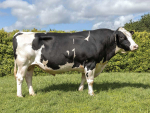
An LIC bull, Tronnoco AR Sadio-ET S3F, bred by Tony and Keri O'Connor of Tronnoco Farming Co Ltd near Timaru, has won the 2026 Mahoe Trophy.
Bovine Viral Diarrhoea (BVD) is estimated to cost New Zealand's dairy and beef industries more than $150 million every year, yet many of the tools needed to control it are already well understood. After more than 25 years in veterinary practice, Andrew Weir, animal health technical specialist at LIC, has seen firsthand the impact BVD can have on herd performance. We asked him about the role of persistently infected (PI) animals and the practical steps farmers can take to reduce their risk.
In the past, a bull could sit comfortably in a breeding team for several years with little change, but today, that’s no longer the case.
Paynes Titus Excelsior ET, an LIC bull bred by Brad Payne and Claire Brodie in the Waikato, has won the JT Thwaites Sire of the Season 2026 Award.


Federated Farmers says it welcomes Labour's commitment to reviewing the Sharemilking Agreements Act, calling on other major parties to do the same.
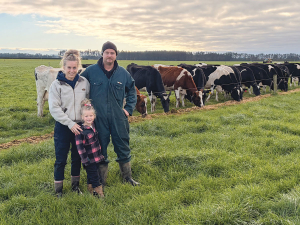
For Canterbury dairy farmers Sian Meijer and Rick Wobben, wearable technology has become one of their most valuable on-farm tools - helping manage 1850 cows across an expansive, high-performing dairy operation while improving efficiency, mating outcomes and day-to-day decision making.
Fonterra has unveiled its annual results for the 2026 financial year, posting $27 billion in revenue and close to $20 billion returned to New Zealand farmer owners and unit holders.
The first major update to the Dairy Cattle Code of Welfare in more than a decade has been released, marking what DairyNZ describes as an important step in ensuring animal welfare standards continue to evolve alongside scientific evidence and on-farm realities.
Ravensdown shareholders have elected Jane Montgomery and Kate Acland to the Ravensdown Board for three-year terms, following a closely contested director election.
Federated Farmers says new legislation replacing the Resource Management Act will cut red tape, unlock investment and help grow New Zealand's export-led economy, after the Planning Bill and Natural Environment Bill passed their third reading in Parliament yesterday.

OPINION: It seems Canterbury processor Synlait is still in the doldrums.
OPINION: Get offside with New Zealand First leader Winston Peters at your own peril.




