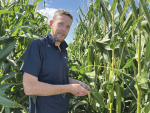
Fall Armyworm in NZ Maize: Four Years of Research
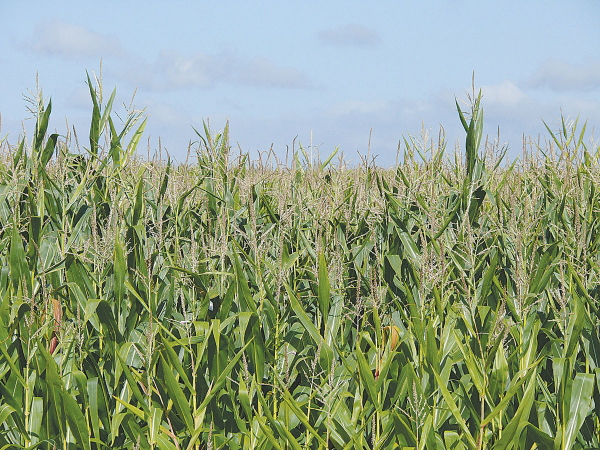
Four years since it was first detected in New Zealand, researchers and growers now know much more about management of maize pest fall armyworm (FAW).




 increase font size
 FAR is hosting University of Illinois Professor of Crop Physiology, Fred Below.
The chance to hear a leading US maize researcher at the Foundation for Arable Research’s premier maize event in early 2023 is described as a “once in a lifetime” opportunity.
FAR is hosting University of Illinois Professor of Crop Physiology, Fred Below. He will be keynote speaker at the event on February 14 at FAR’s Northern Crop Research Site at Tamahere near Hamilton.
Below is one of the researchers and authors responsible for the “seven wonders of the maize yield world”, the top seven list of management factors that each year can have a positive impact on maize yield.
The considerable gap between the average yield produced by most growers and record yields shows the opportunity to increase maize yield through enhanced crop management, he says.
FAR senior maize researcher David Densley says the opportunity to come and listen to Below is “probably once in a lifetime”.
Below has two presentations on the day: the morning keynote address is on emerging trends in maize production in the US and the last presentation on the day will discuss the latest maize research findings and why this will likely have an influence on maize production practices in the future.
Densley says that with increasing fertiliser costs and environmental requirements it’s an opportune time to hear the latest research results.
Other speakers include FAR researcher Dirk Wallace on reducing nitrogen inputs, AgResearch scientist Trevor James on cover crops for weed management, Densley on precision agriculture for maize productivity and quality and FAR’s technology manager Chris Smith on sensor technology. FAR’s Abie Horrocks will discuss longterm crop establishment and some of the impacts that cultivation has on soil structure and water infiltration.
Apart from the keynote speaker, talks are repeated in the morning and afternoon. There will also be an update on the maize pest fall armyworm which was first identified in New Zealand in March last year.
Below will also attend an afternoon field day on February 15 at the property of Colin Jackson, Te Awamutu, one of the farmers hosting FAR onfarm maize research.
Densley says that FAR’s research always aims to answer one of three questions. “How can this research drive a grower’s profitability? How can the research help to bring more resilience into my production system and three, can it help me meet my environmental requirements moving forward?”
There will also be static displays on ProductionWise, E-Check, soil and plant nutrient sampling and biosecurity risks.
Four years since it was first detected in New Zealand, researchers and growers now know much more about management of maize pest fall armyworm (FAW).
Two Canadian spraying experts, Tom Wolf and Jason Deveau, are visiting New Zealand in early August to ensure that arable growers are hitting the target with this key piece of equipment.
Tickets are now available for the 2026 Arable Awards, set to be held in Christchurch on 20th August.
Some of New Zealand’s best-loved food brands have been quick to sign up for a new campaign which reinforces their home-grown status.
With arable farmers heading into the busy planting season, increasing fuel and fertiliser prices, driven by the Iranian conflict, are a daily and ongoing concern.


Synlait has swung to second-half profit as operations stabilise, but the dairy processor still posted a $75.4m annual loss.

LIC shareholders have elected a new North Island representative to the co-operative's Board, along with five representatives to its Shareholder Reference Group (SRG), following the company's Annual Meeting held in Invercargill.
Farmers across parts of Southland and South Otago are continuing to deal with difficult conditions after a prolonged run of wet weather, with pressure building around feed supply, stock management, pasture damage, farm infrastructure and everyday workloads.
Federated Farmers says it welcomes Labour's commitment to reviewing the Sharemilking Agreements Act, calling on other major parties to do the same.
For Canterbury dairy farmers Sian Meijer and Rick Wobben, wearable technology has become one of their most valuable on-farm tools - helping manage 1850 cows across an expansive, high-performing dairy operation while improving efficiency, mating outcomes and day-to-day decision making.
Fonterra has unveiled its annual results for the 2026 financial year, posting $27 billion in revenue and close to $20 billion returned to New Zealand farmer owners and unit holders.
OPINION: It seems Canterbury processor Synlait is still in the doldrums.
OPINION: Get offside with New Zealand First leader Winston Peters at your own peril.




