Second generation Amarok ups the stakes
The first-generation VW Amarok – launched back in 2010 – has built a reputation based on comfort, handling and ability that has led to more 7700 of the vehicles being driven on New Zealand’s roads.




 increase font size
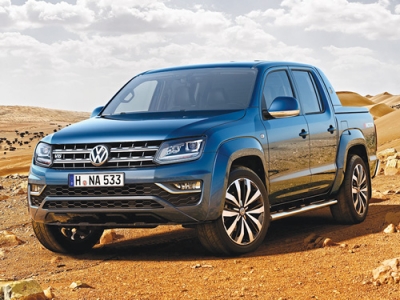 Volkswagen's Amarok.
The VW Amarok has always had a following of ute buyers wanting something different from the norm.
But it was resisted by some who saw the 4-cylinder twin turbo engine, with 132 Kw and 420 Nm torque, as not man enough for serious work.
Now the doubters look set to be silenced by a new V6 TDI engine rated at 165kW and 550Nm and offering 1.0L more capacity with its 3.0L block.
The new Amarok will suit those looking to do serious work such a towing, by delivering high torque at low engine speeds: the 550Nm torque is reached at 1500rpm -- a full 130Nm more than the current 4-cylinder offering.
Other new features in the V6 include a Sensortronic steering system combined with 17 inch rear and 16 inch front brake discs to offer precise steering and assured stopping in all conditions.
Outwardly a revised front end is described as more athletic looking, and an all-new dashboard and new ergonomic seats give the vehicle a more sophisticated feel.
At launching, and for a limited time, the Amarok Adventura will have 20 inch alloy wheels, rear view camera and bi-xenon headlights. This is further enhanced by LED daytime running lights, LED illuminated licence plates and running boards along each flank.
Pricing and final specification for NZ will be announced in the coming months, and first examples are expected in dealer showrooms at the end of the year.
VW NZ says numbers will be limited and anticipation is already high. With this in mind existing customers will be preferred for the first arrivals by way of a thank-you from the manufacturer.
The first-generation VW Amarok – launched back in 2010 – has built a reputation based on comfort, handling and ability that has led to more 7700 of the vehicles being driven on New Zealand’s roads.
Kiwis remain fixated on utes of every shape, size and price, but we wonder whether in the rural sector the clever folk may be looking to diversify into a good van.
When we reviewed the VW Amorak in February 2016, it was fair to say we quite liked it. For 2017, that ‘like’ has just moved up to a ‘love’, especially because of the new V6 engine offering.
You wonder how the marketing people in the motor industry come up with new model names.
At a recent vehicle launch I mentioned to a fellow journalist that I was getting the Volkswagen Passat Alltrack to test and he replied "you'll enjoy it".


The primary sector is leading New Zealand's economic recovery, according to economist and researcher Cameron Bagrie.
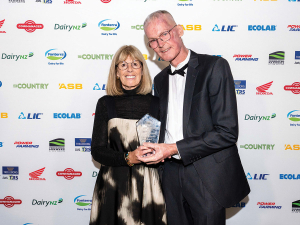
Dairy industry leader Jim van der Poel didn't make much of the invitation he received to the recent New Zealand Dairy Industry Awards in Rotorua.
Farmers around the country are going public big time, demanding their local district, city and regional councils come up with amalgamation plans that meet the needs of rural communities and don't allow urban councils to dominate.
The battle for the rural vote is on and parties are securing high profile names to try and bolster their chances at the general election.
Horticulture New Zealand says proposed changes to the Plant Variety Rights Act 2022 will drive innovation, investment and long-term productivity.
More than 1200 exhibitors will showcase their products and services at next month’s National Fieldays, with sites nearly sold out.
OPINION: Reckless action by Greenpeace in 2024 forced Fonterra to shut down a drying plant for four hours, costing the co-op…
OPINION: The global crusade against fossil fuel is gaining momentum in some regions.