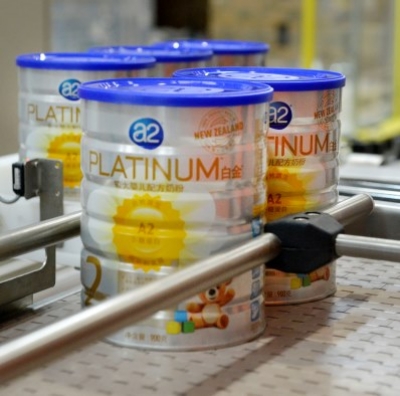
New Zealand is still sending safe, premium quality infant formula to the world’s markets; parents here and overseas still have complete faith in our products.
The nutters threatening to contaminate milk powder with the poison 1080 remain at large, but hopefully the police dragnet is closing around them. The threats they hoped would bring our multi-billion dairy industry to its knees are shown for what they are – nonsense. Nothing has happened to throttle trade.
MPI is telling our partners exactly what it’s telling consumers here and overseas: we’re confident New Zealand infant and other formula is as safe today as before the blackmail threat. Our key markets, like China, are still accepting our infant formula. Some have asked for extra certification.
On March 10 – the day the public learned of the threat – China’s Administration of Quality Supervision, Inspection and Quarantine (Aqsiq) announced all infant milk formula shipped from New Zealand since that date required a 1080-free certificate. MPI says exporters are complying. Instead of harming our exports this 1080 threat has strengthened our food security credentials at home and overseas.
Security in New Zealand retail outlets is tighter: in every supermarket selling infant formula, staff are monitoring those sales and handing out information sheet to buyers. Police nationwide have now visited 855 dairies and other small retailers selling infant formula to distribute MPI information to retailers and consumers.
Healthline and PlunketLine continue to respond promptly to calls from the public. Both services report a low number of calls on the 1080 threat issue and hospitals report no activity above what is expected.
MPI has tested at least 52,000 batches in all categories of milk products for sale here and offshore, finding no traces of 1080.
The 1080 incidents prove New Zealand’s robust food safety regulations are second to none.
Such acts of criminal blackmail are common; major food companies are often targeted. But the Government, dairy industry and our trading partners have handled this incident professionally.
It has improved our food testing regime and stamped our authority as a supplier of safe and premium quality infant formula in the world.