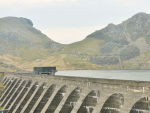
Editorial: Making Water Storage Easy
OPINION: Making it easier to collect rainwater and use it to grow crops and livestock is a no brainer.




 increase font size
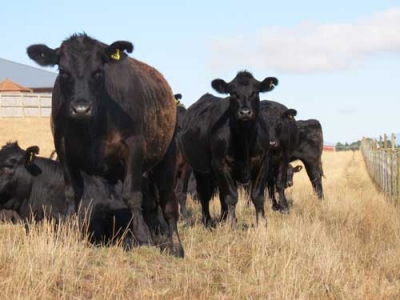
This season threw up a big challenge for dairy farmers in the low payout, but all hoped the weather might have been kind.
It has been in the Far North, but in the lower North Island, in Southland and on the West Coast, especially, nature has dealt a cruel blow.
Southland’s problem took root a year ago as drought in Otago and Canterbury caused the farmers there to churn through their locally produced supplementary feed. Southland has since suffered wet day after wet day and merciless cold -- a lifestyle anything but pleasant.
West Coasters, well accustomed to rain, have watched it pour down, on and on, except for Karamea in region’s far north. To add to the woes even the whitebait aren’t running.
Southland and West Coast farmers are seriously struggling and stress levels are very high. Some farmers are known to be not coping at all well. The wet weather has forced them to shift stock off pastures to avoid pugging and to spend extra money on supplementary feed -- if they can buy it. Debt levels are rising by the day.
Animal health is also a concern; in very wet weather it’s hard to get animals onto pasture without them damaging it. Issues arise with the standard practice of grazing cows on pasture for a short time each day, then shifting them somewhere else. Long spells on concrete give them sore legs and feet; sore feet can lead to lameness.
To make matters worse, farmers on the West Coast are living in fear of an El Nino summer, and there are concerns that the normal October rains will kick in and compound the problem. Pasture damage will be a genuine threat and fear over the next two to three months.
Unless Southland and the West Coast get a warm dry spell soon the dairy farmers there could be in real trouble. Natural farmer resilience is expected to carry most through it, but a low payout and bad weather sorely tests the resolve of all.
The Government had best ready itself; better to stump up help now to mitigate a problem than deal with a disaster. The farmers’ plight is precarious; they need all the support and help we can give them.
OPINION: Making it easier to collect rainwater and use it to grow crops and livestock is a no brainer.
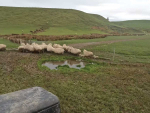
Southland's wet winter and spring will potentially cost Wyndham sheep and beef farmer Ben Dooley between $100,000 and $120,000 in lamb losses.
OPINION: New health and safety guidance unveiled by the Government recently provides farmers greater certainty about what is expected of them when managing risks on farm.
Managing feed by sticking to a firm plan has helped the Southern Dairy Hub (SDH) demonstration farm survive an extremely wet winter, says the farm's acting general manager Greg Delaney.
Farmers across parts of Southland and South Otago are continuing to deal with difficult conditions after a prolonged run of wet weather, with pressure building around feed supply, stock management, pasture damage, farm infrastructure and everyday workloads.


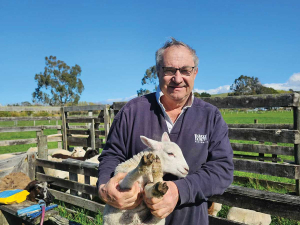
Decades piloting planes has ensured vet and farmer David Hayes is focused on safety. So, after a serious accident while welding on farm, he is sharing his experience so others can learn from it.
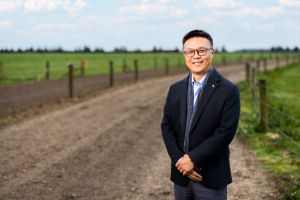
Canterbury milk processor, Synlait Milk has confirmed Leon Fung as its chief executive officer.
OPINION: Making it easier to collect rainwater and use it to grow crops and livestock is a no brainer.
As part of its Election 2026 coverage, Rural News asked political parties how they would help pull the arable sector out of the doldrums. Here's what they said:
Farmers are being encouraged to rethink how they manage waste on farm with the launch of ruralwastesorted.co.nz, a new website bringing together practical tips, real farmer experiences and resources.
New Zealand Winegrowers (NZW) is celebrating the India-New Zealand Free Trade Agreement (FTA) coming into force today, bringing New Zealand wine improved access to one of the world’s fastest-growing economies.



OPINION: It seems Canterbury processor Synlait is still in the doldrums.
OPINION: Get offside with New Zealand First leader Winston Peters at your own peril.




