Fall Armyworm in NZ Maize: Four Years of Research
Four years since it was first detected in New Zealand, researchers and growers now know much more about management of maize pest fall armyworm (FAW).




 increase font size
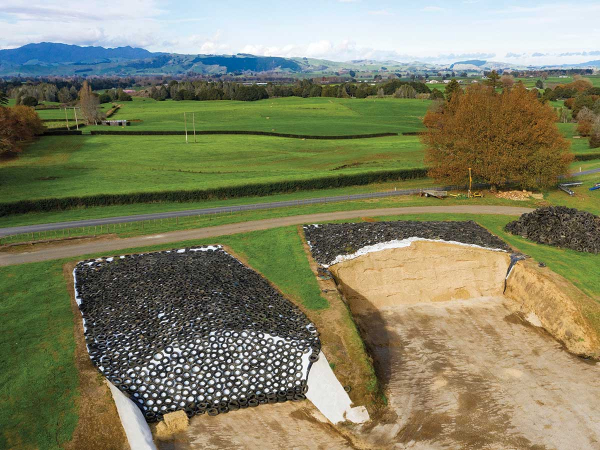 Securing enough high-quality feed ahead of time is essential for maintaining production, managing costs, and reducing risk.
OPINION: Few things are more stressful for dairy farmers than running out of feed when cows need it most.
Securing enough high-quality feed ahead of time is essential for maintaining production, managing costs, and reducing risk.
My colleagues and I regularly hear from farmers who want to maintain consistent milk production while keeping control of their feed costs. Rising costs of imported feed and variable pasture growth rates are driving more interest in homegrown supplementary feed options. Maize silage is one of the best farm system feeds available to farmers. Compared to other feeds, it can be stored when there is a pasture surplus or used when there is a pasture deficit.
Plan now to avoid feed shortages
This season's dry conditions have created feed shortages on some farms, forcing many to secure costly alternatives at short noice. Much like a savings account, a well-managed silage stack provides security against seasonal fluctuations. If payout projections for the coming season eventuate, demand for supplementary feed will put further pressure on both supply and price. There is little extra stored feed available at the moment, but planning now can help you manage feed supply and cost for next season.
Farmers considering growing maize silage should assess the full picture, including available paddocks nutrient balance and potential pasture forgone. Growing maize silage on-farm can be cost-effective, particularly when paddocks need reversal or excess nutrients need to be utilised. However, realistic yield estimates and costings are essential to ensure it is economically viable.
For those planning to buy in maize silage in autumn 2026, talk to a contract grower now. Locking in volume early may provide cost certainty and secure supply ahead of rising demand.
 |
|---|
|
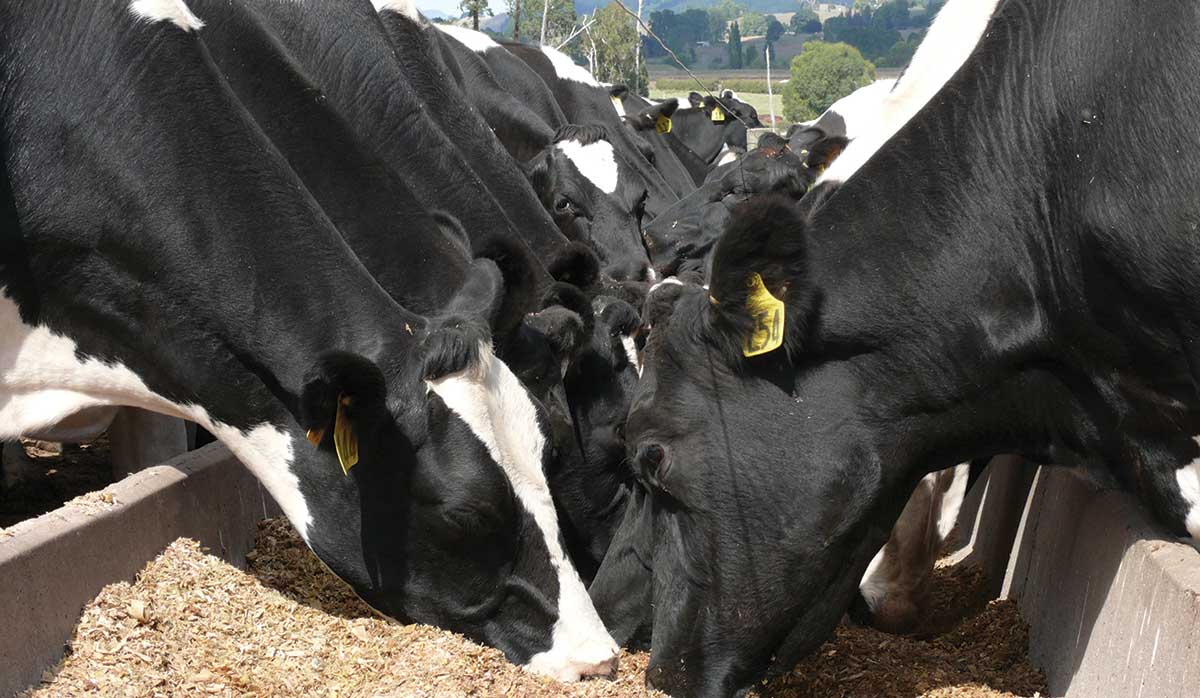
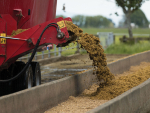
Feeding maize silage supports better body condition at calving and extends days in milk. |
Why Maize Silage?
Maize silage offers several farm system benefits that make it an ideal supplementary feed:
Securing feed for the future
With uncertainty around weather patterns and market conditions, planning ahead is crucial to avoid future feed shortages. Whether growing maize silage on farm or securing supply from a contract grower, now is the time to act. Having maize silage in the stack ready to go whatever the season may throw at you makes good farming sense - don't get caught short.
If you need advice on planning for the season ahead, talk to your carm consultant or nutritionist or contact one of our Farm Systems Specialists, Matt Dalley or Wade Bell, at www.pioneer.co.nz
Wade Bell is Genetic Technologies farm systems manager. Contact him at This email address is being protected from spambots. You need JavaScript enabled to view it.
Four years since it was first detected in New Zealand, researchers and growers now know much more about management of maize pest fall armyworm (FAW).
The transition period (typically defined as the three weeks prior to and the three weeks immediately after calving) sets the biological and productive trajectory for the entire lactation by determining how well the cow adapts from pregnancy to peak milk production.
As spring calving cows head into dry-off, the priority shifts to one thing: setting cows up to calve at the target body condition score (BCS).
Early December marks a key transition for many dairy farmers, as weaned replacement heifers head off-farm to grazing.
If growing more feed at home adds up to $428 profit per tonne of dry matter to your bottom line, wouldn’t it be good to have a ryegrass that gets you there quicker?


Farmgate lamb prices are down by 8%, beef cattle by 4.5% and farm expenditure up by 4.2%.
Kiwifruit growers are watchful but remain optimistic as concerns around the potential effects of the El Niño weather pattern this season.
Almond hulls sourced from Australian orchards may have the potential to help New Zealand cows reduce emissions, boost milk yield and lower input costs.
Striking a balance between meeting the needs of industry to speed up approval time for products but on the other hand ensuring that risks are properly assessed.
Surprised, humbled and quite thrilled. That’s the reaction of James Allen, one of the founding partners and now chief executive of AgFirst, on being made a life member of the Institute of Rural Professionals.


OPINION: It seems Canterbury processor Synlait is still in the doldrums.
OPINION: Get offside with New Zealand First leader Winston Peters at your own peril.