
Beef + Lamb New Zealand Awards 2026 Winners Announced in Christchurch
Last night saw the winners of the 2026 Beef + Lamb New Zealand (B+LNZ) Awards named at a gala dinner at Te Pae Christchurch Convention Centre.




 increase font size
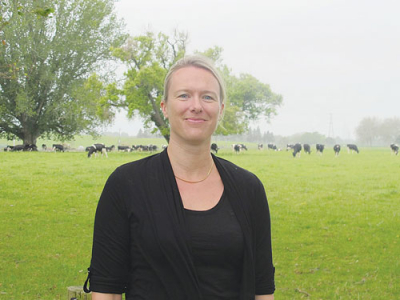 Dr Karin Schütz.
High temperatures and humidity are prompting questions about farm animals’ production, along with their welfare, AgResearch says.
Its research into dairy cows during the last 15 years has shown how they cope with heat, giving insights for animal management, says senior scientist Dr Karin Schütz.
“Like many mammals, dairy cows are more sensitive to heat than they are to cold,” she explains. “A lactating cow generates a lot of metabolic heat, and while it will increase its respiratory rate and sweat like a human being, it can struggle in especially warm conditions to lose the heat.”
Schutz says when the animal starts to drool and open-mouth pant, it’s a sign it is in distress from the heat.
She says cows will change their behaviour to cope in the warm conditions, including drinking more, eating less, seeking out ‘micro-climates’ in the shade or close to water, and moving about.
“They also don’t lie down as much, which may be to increase the airflow around their bodies.”
Research showed that when the air temperature reached 21degC and humidity more than 75% it could affect the cow’s behaviour and milk production could decline, Schütz says.
“If you want to keep up production, you need to keep your animals cool. That can mean providing shelter (such as trees), increasing access to drinking water, reducing walking distances and preventing stress. If it is really hot, a lot of farmers will use sprinklers at their milking sheds to cool the cows as they wait to be milked.”
However, research has shown that, given a choice cows will prefer shade to sprinklers. Cows can also tell the difference between different degrees of shade and will choose shade that protects them more from solar radiation.
DairyNZ animal husbandry team leader Helen Thoday says preventing heat stress is more cost-effective than trying to manage the consequences once cows become heat stressed.
“All activity will increase the risk of heat stress, including walking to the water trough, to and from the dairy shed, and even grazing as normal.
“When hot conditions are forecast, some short-term solutions to reduce heat stress are to graze cows close to the dairy shed to reduce walking distance for milking, and to milk later in the afternoon/early evening when the temperature has dropped.”
Farmers can also provide supplementary feed at night, so extra heat generated by digestion occurs at the coolest time.
Last night saw the winners of the 2026 Beef + Lamb New Zealand (B+LNZ) Awards named at a gala dinner at Te Pae Christchurch Convention Centre.
A significant breakthrough in understanding facial eczema (FE) in livestock brings New Zealand closer to reducing the disease’s devastating impact on farmers, animals, and rural communities.
A breakthrough in the understanding of Facial Eczema (FE) in livestock could bring New Zealand closer to reducing the disease’s impact.
An innovative idea for transforming mechanically deboned meat (MDM) into a meat flake for seasoning has taken top honours in the Meat Industry Association’s (MIA) first-ever Dragon’s Den competition.
The Government's plan to merge the seven crown institutes presents exciting possibilities for plant technology company Grasslanz Technology, says chief executive Megan Skiffington.


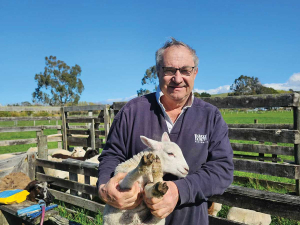
Decades piloting planes has ensured vet and farmer David Hayes is focused on safety. So, after a serious accident while welding on farm, he is sharing his experience so others can learn from it.
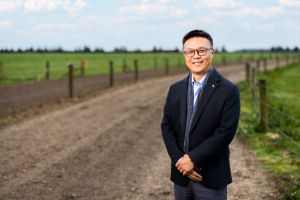
Canterbury milk processor, Synlait Milk has confirmed Leon Fung as its chief executive officer.
OPINION: Making it easier to collect rainwater and use it to grow crops and livestock is a no brainer.
As part of its Election 2026 coverage, Rural News asked political parties how they would help pull the arable sector out of the doldrums. Here's what they said:
Farmers are being encouraged to rethink how they manage waste on farm with the launch of ruralwastesorted.co.nz, a new website bringing together practical tips, real farmer experiences and resources.
New Zealand Winegrowers (NZW) is celebrating the India-New Zealand Free Trade Agreement (FTA) coming into force today, bringing New Zealand wine improved access to one of the world’s fastest-growing economies.



OPINION: The same mainstream media muppets that brought you Jacindamania in 2017 have been flat out pimping for the Opportunities…
OPINION: Your old mate reckons the atrocious way farmers in the UK are treated by their lords and masters in…




