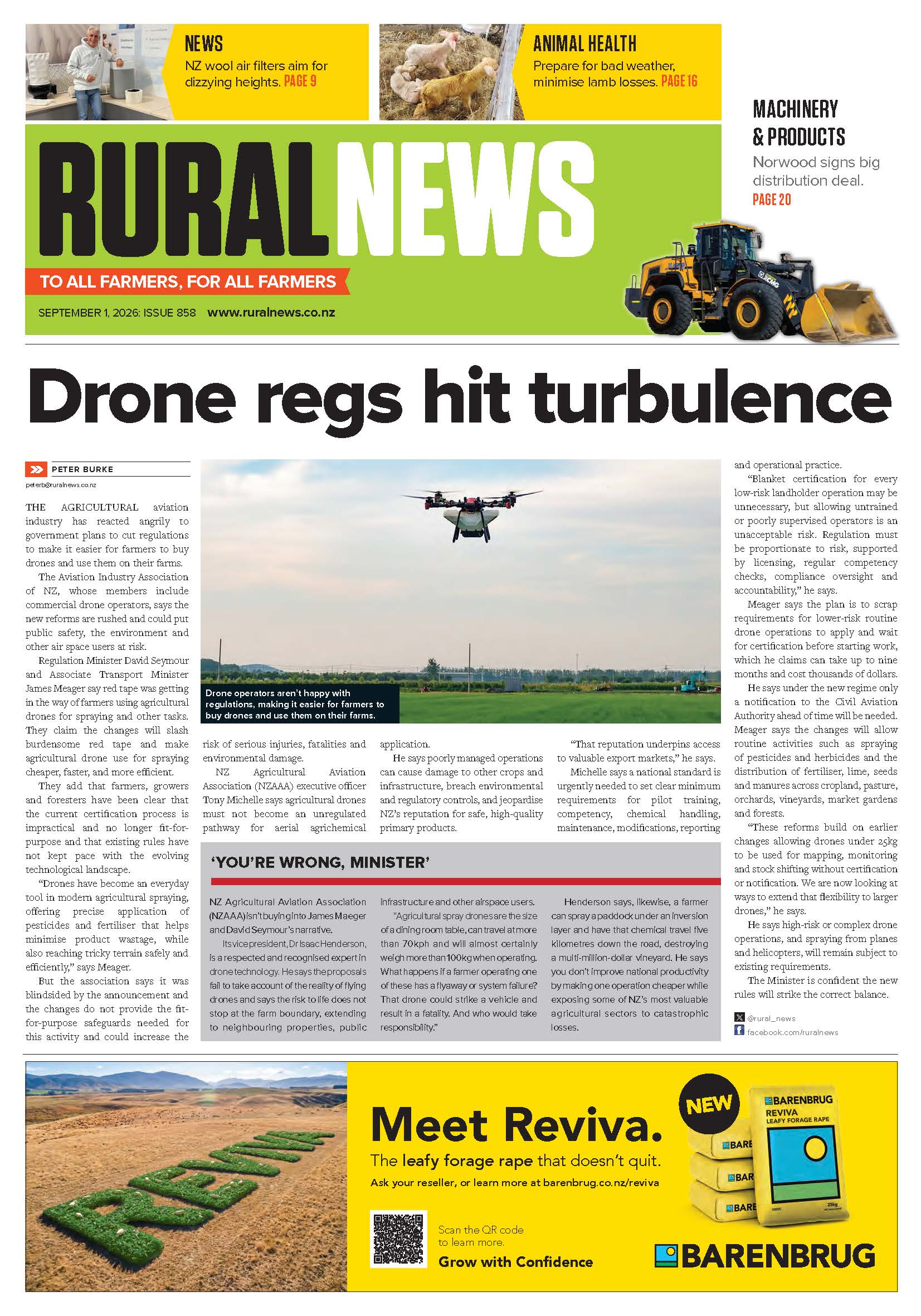
Beef + Lamb NZ's Lambing Kit Checklist for a Tough Season
With lambing underway in many regions, Beef + Lamb New Zealand is encouraging farmers to put together a wellequipped lambing kit to help minimise lamb losses, particularly in bad weather.




 increase font size
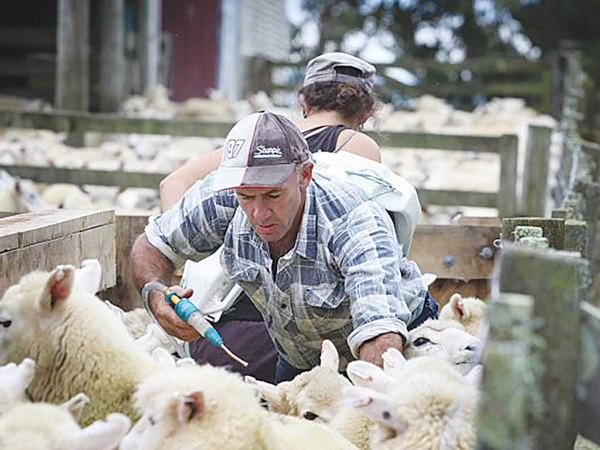 New research has cast even more doubt on the economic value of drenching ewes with long-acting products.
Even more doubt has been cast on the economic value of drenching ewes with long-acting products, following a recent jointly-funded Beef + Lamb New Zealand study.
The study led by AgResearch’s Dave Leathwick and co-funded by B+LNZ and AgResearch, showed that initial benefits of drenching with these products, especially to low body condition score ewes, were short-lived. It also showed the effectiveness declined in the interval after the treatments had expired. Untreated ewes tended to catch-up to their treated equivalents.
“This has also been seen in other New Zealand studies and highlights the danger of only assessing benefits at the end of the drug’s pay-out period,” Leathwick says.
He explains that many sheep farmers treat their ewes pre-lambing with long-acting drench products (capsules or injections).
“This is in the expectation that both their ewes and lambs will benefit, however, this study shows that any benefits seen at weaning are likely to over-estimate the true value.”
This latest published research builds on previous studies from NZ and overseas, which have shown that animals treated with long-acting drenches have reduced immunity to worms because they are not being exposed to worm antigens every day.
“The sheep’s immune system needs to ‘see’ worms every day in order to function at its best,” Leathwick says.
This means that when the drug delivery ends, the ewes tend be to be less resilient to worms than those that weren’t treated.
“The true benefit is likely to be less than expected,” he adds.
These results follow on from previous studies, which highlighted that for many farmers, pre-lamb drenching may result in a net financial loss rather than gain.
This occurs because the biggest driver of financial return is lamb survival and not extra weight added to ewes or lambs at weaning.
Lamb survival is highly variable between farms and seasons, as well as treated and untreated ewes. “This means farmers would benefit more from focusing their efforts on lamb survival to weaning than worrying about parasites,” Leathwick concludes.
Further trial work and modelling carried out in NZ showed that treating ewes pre-lambing with long-acting products increases the risk of developing drench resistance on the farm.
“For most sheep farms today, it is almost too late because resistance is now extremely common.
“For them it is now a case of farming with resistant worms. One certainty is that drench resistance will not go away if you keep drenching all the time.”
With lambing underway in many regions, Beef + Lamb New Zealand is encouraging farmers to put together a wellequipped lambing kit to help minimise lamb losses, particularly in bad weather.

Will a stronger, more coordinated voice help rebuild confidence and improve returns in the wool sector?
Feeding stock well and drenching only those animals facing a parasite challenge are key tactics in managing parasites in cattle, especially in autumn and early winter.
Matt McRae, a farmer from Mokoreta in Southland who runs a sheep, beef and dairy support business alongside a sheep stud, has been elected to the Beef +Lamb NZ Board as a farmer director.
Recent widespread autumn rain will have triggered the germination of subterranean clover seeds, and the resulting seedlings should be allowed to reach the 3–4 trifoliate leaf stage before grazing, says Beef+Lamb NZ.



Now in its fourth year, the 2026 Fencing Industry Awards, formed part of the proceedings of the FCANZ Conference, held in Nelson during August.
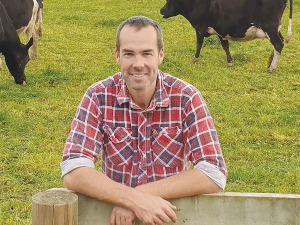
DairyNZ deputy chair Cameron Henderson has been re-appointed unopposed for another term.
OPINION: The stats speak for themselves.
Farms across the upper North Island are trialling different pasture mixes as part of a research programme that aims to build greater resilience into farming systems.
Election years are always a concerning time for farmers, according to DairyNZ chair Tracy Brown.
The Ballance Farm Environment Awards are coming to the West Coast of the South Island.


OPINION: The same mainstream media muppets that brought you Jacindamania in 2017 have been flat out pimping for the Opportunities…
OPINION: Your old mate reckons the atrocious way farmers in the UK are treated by their lords and masters in…