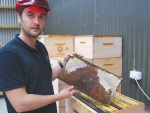
Young Canterbury bee man buzzing
North Canterbury beekeeper James Malcolm is going from strength to strength in a fast-changing industry facing the challenges of increasing corporatisation, new technology, parasites and even hive thefts.




 increase font size

August is Bee Aware Month and the National Beekeepers Association is urging the government to take the threat to bees much more seriously.
Bees account for over $5 billion of New Zealand's economy through the pollination of crops and honey exports.
But all wild bees have been wiped out by the varroa mite which is also threatening the rest of our bees.
"The varroa mite is one of the biggest threats facing our Kiwi bees. It has spread throughout the country and we desperately need to contain this dangerous pest," says NBA chief executive Daniel Paul.
The NBA is calling for donations to help fund the fight to research and find a solution to the problem. The NBA says other threats to New Zealand bees are pesticides, including neonicotinoids, a lack of nutrition for bees and potential honey imports.
"The government is considering allowing honey imports into New Zealand from various countries. But honeys from around the world can bring in a range of pests and diseases that would pose significant biosecurity risks for our bees."
"Kiwi bees need our help. In some countries bees are dying in huge numbers. There are some concerning bee deaths here in New Zealand but so far things aren't as bad as they are overseas. We need to do all we can to help protect our bees to stop the situation getting worse.
"Not only do bees contribute billions of dollars to our economy, most of our food depends on pollination by bees, as do our gardens. A world without bees is just too terrible to imagine."
The NBA urges New Zealanders to plant more bee friendly plants and to use more bee-friendly sprays in their gardens. It also wants to undertake the first ever nationwide Bee Health survey to find out what's really happening to our Kiwi bee populations.
North Canterbury beekeeper James Malcolm is going from strength to strength in a fast-changing industry facing the challenges of increasing corporatisation, new technology, parasites and even hive thefts.
Beekeepers need to endorse a proposal to combine two organisations into a single and effective industry body.
Plant & Food Research is asking growers and beekeepers to share their current practices and their thoughts on future pollination requirements.
Research has found that "non-bee" insects are as important as honey bees in pollinating flowers, a service vital for crop production.
The apiculture industry has voted by a substantial majority to proceed with unification and their associations at the New Zealand Apiculture Conference.


Farmgate lamb prices are down by 8%, beef cattle by 4.5% and farm expenditure up by 4.2%.
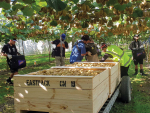
Kiwifruit growers are watchful but remain optimistic as concerns around the potential effects of the El Niño weather pattern this season.
Almond hulls sourced from Australian orchards may have the potential to help New Zealand cows reduce emissions, boost milk yield and lower input costs.
Striking a balance between meeting the needs of industry to speed up approval time for products but on the other hand ensuring that risks are properly assessed.
Surprised, humbled and quite thrilled. That’s the reaction of James Allen, one of the founding partners and now chief executive of AgFirst, on being made a life member of the Institute of Rural Professionals.

OPINION: The same mainstream media muppets that brought you Jacindamania in 2017 have been flat out pimping for the Opportunities…
OPINION: Your old mate reckons the atrocious way farmers in the UK are treated by their lords and masters in…