McRae Wins Southern South Island B+LNZ Director Vote
Matt McRae, a farmer from Mokoreta in Southland who runs a sheep, beef and dairy support business alongside a sheep stud, has been elected to the Beef +Lamb NZ Board as a farmer director.




 increase font size
 BLNZ Economic Service chief economist Andrew Burtt.
Beef + Lamb New Zealand says that during the past year the country’s beef herd increased by 2.8% to 3.6 million head.
Meanwhile, it says the decline in the sheep flock has slowed sharply as numbers recovered in key regions after drought and other challenges.
The annual stock number survey conducted by BLNZ Economic Service highlights the continued growth in beef production. The largest contributor to the increase in beef cattle was a 5% lift in weaner cattle numbers. It believes this reflects the high cost of buying older cattle as replacements and good grass availability.
However the size of NZ’s beef breeding cow herd did not change, according to BLNZ Economic Service chief economist Andrew Burtt.
Meanwhile, Burt says the number of breeding ewes fell in most regions of NZ and by 1.9% overall. The exception was in Marlborough‑Canterbury where there was a small increase (+0.3%) following the prolonged drought.
“Ewe numbers decreased 2.6 % to 8.7 million in the North Island, while South Island numbers dropped 1.1% to 9.1 million,” he says.
“The decrease in the North Island reflects residual effects of last year’s facial eczema outbreak. However, nationwide there has been more emphasis on retaining ewe hoggets, which indicates some rebuilding of the flock is occurring.”
Consequently, the national hogget flock is up on last year.
“Hogget numbers increased 1.7% to 8.7 million, largely due to replacement ewe hoggets being retained on the East Coast to build up flocks, and an increase in Marlborough-Canterbury to take advantage of the improvement in feed supplies after a number of difficult years caused by drought and natural disasters.”
Burtt says ewes were in good condition at mating and going into winter, due to feed availability. “Pregnancy scanning of ewes reveals good pregnancy rates in the North Island, but the later season as a result of climatic differences means it’s difficult to generalise about the South Island.”
Despite the small decrease in the number of breeding ewes, the lamb crop is expected to be up 1.1% – to 23.5 million – 300,000 more than last season.
“This is the result of several factors, including continued improvements in productivity by farmers leading to better ewe lambing percentages, good feed supplies and a lift in the number of ewe hoggets mated.”
Matt McRae, a farmer from Mokoreta in Southland who runs a sheep, beef and dairy support business alongside a sheep stud, has been elected to the Beef +Lamb NZ Board as a farmer director.
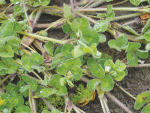
Recent widespread autumn rain will have triggered the germination of subterranean clover seeds, and the resulting seedlings should be allowed to reach the 3–4 trifoliate leaf stage before grazing, says Beef+Lamb NZ.
A hub farm in each of Beef + Lamb NZ’s seven regions and more focus groups are being rolled out for the red meat sector this year.
The red meat sector is poised for a strong rebound this season, with export receipts forecast to top $10 billion and farm profitability to almost double.
Progeny testing at Pāmu’s Kepler farm in Southland as part of Beef + Lamb New Zealand’s Informing New Zealand Beef programme is showing that the benefits of hybrid vigour could have a massive impact on the future of beef breeding.



OPINION: In politics, credibility is and should be big. It must surely rank higher than charisma, which is quite trite and superficial. Yet, voters nowadays are often wooed and influenced by how someone looks or talks at a superficial level. TV plays a huge role in this.
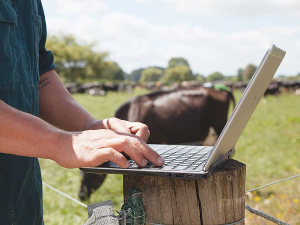
Farmers can spend less time on paperwork, thanks to a new data sharing agreement between DairyNZ’s DairyBase and LIC’s MINDA software.
Kaikōura families affected by July's severe storm have found a practical solution to a problem that's kept some children away from regular schooling for weeks: a washed-out section of Inland Kaikōura Road, which has stopped the local school bus from running its usual route.
Rural New Zealand is welcoming the Government’s recent package of rural healthcare initiatives.
Interest in agritech and production animal systems has prompted Massey University's School of Agriculture and the Environment to new majors to its popular animal science degree.
Ballance Agrinutrients chief executive Kelvin Wickham says despite a tough year, he is pleased the business has returned to profit.



OPINION: The same mainstream media muppets that brought you Jacindamania in 2017 have been flat out pimping for the Opportunities…
OPINION: Your old mate reckons the atrocious way farmers in the UK are treated by their lords and masters in…