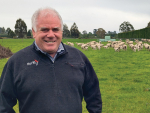
Royal A&P Show Returns to Canterbury: Record livestock entries and renewed prestige
The Royal A&P Show of New Zealand, hosted by the Canterbury A&P Association, is back next month, bigger and better after the uncertainty of last year.




 increase font size
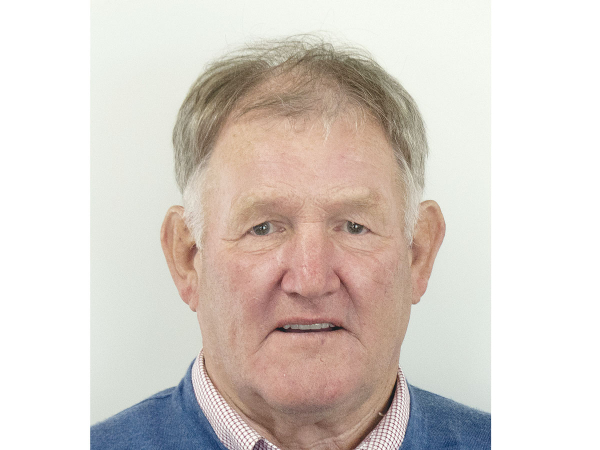 Past President Richard Lemon
The Canterbury A&P Association is managing the show itself, after several years of it being in the hands of a management company
Richard Lemon, who has been on the committee since 1990 and was president for the 150th anniversary show in 2012, has again stepped up this year following the sudden resignation of the operations manager who had to return to England because of a family illness.
He says cattle entries are up, especially dairy but also beef.
Biosecurity is being taken seriously, with the Mycoplasma bovis precautions introduced in 2018, such as disinfectant hoof baths, again in place.
Although Lemon is confident the disease is now well-contained in the quarantine area of Mid- Canterbury, he says show organisers have to be aware not just of M. bovis but also diseases such as brucellosis in sheep and even, potentially, foot and mouth.
“We are not doing things responsibly if we don’t make ourselves aware of those situations.”
Lemon says sheep entries are “back a wee bit” but that was expected with the slow decline of the sheep industry in Canterbury over the last seven or eight years.
Sheep breeders are getting older and young guys aren’t taking on stud sheep breeding, he notes.
Sustainability On Show
Show manager Tracy Ahern is promising a “swag of innovations” including a 15-module competition for secondary school teams over a variety of practical farming tasks.
“One of the big things we have done this year is work really hard on our sustainability.
“We’ll be reducing our footprint by 65% (based on 2019 figures) with the view to being totally sustainable by 2025.
“Materials will be measured, tracked, and reused or donated to community organisations and schools at the conclusion of the event.”
Ahern says they are also determined to highlight the many careers available to young people in the rural economy, not just milking cows but trades, technology, services and even art.
In America there are rural areas using art to draw visitors, she says.
Graffiti artists have gone through the show site painting the electrical boxes and the show will feature a “cows in the park” competition for children painting a number life-size cows dotted around the park.
Another initiative is a new interactive memorial garden honouring the “Show Saviours” whose support has kept the show alive over the years.
The Royal A&P Show of New Zealand, hosted by the Canterbury A&P Association, is back next month, bigger and better after the uncertainty of last year.
Organisers of the Christchurch A&P show say they are happy with this year’s event despite a rushed turnaround that left agricultural industry support thin on the ground.
Forage brassica crops provide an excellent source of energy and protein for grazing livestock at critical times of the year when the quantity and quality of pasture on offer is limiting livestock production.
It was bringing in a new Canterbury A&P Association (CAPA) show board, more in tune with the CAPA general committee, that has ensured that Christchurch will have a show this year, says CAPA general committee president Bryce Murray.
The new chair of the Canterbury A&P Association (CAPA) board, Sir David Carter, is pleading for public support for this year's Christchurch Show.



LIC shareholders have elected a new North Island representative to the co-operative's Board, along with five representatives to its Shareholder Reference Group (SRG), following the company's Annual Meeting held in Invercargill.
Farmers across parts of Southland and South Otago are continuing to deal with difficult conditions after a prolonged run of wet weather, with pressure building around feed supply, stock management, pasture damage, farm infrastructure and everyday workloads.
Federated Farmers says it welcomes Labour's commitment to reviewing the Sharemilking Agreements Act, calling on other major parties to do the same.
For Canterbury dairy farmers Sian Meijer and Rick Wobben, wearable technology has become one of their most valuable on-farm tools - helping manage 1850 cows across an expansive, high-performing dairy operation while improving efficiency, mating outcomes and day-to-day decision making.
Fonterra has unveiled its annual results for the 2026 financial year, posting $27 billion in revenue and close to $20 billion returned to New Zealand farmer owners and unit holders.
The first major update to the Dairy Cattle Code of Welfare in more than a decade has been released, marking what DairyNZ describes as an important step in ensuring animal welfare standards continue to evolve alongside scientific evidence and on-farm realities.





OPINION: The same mainstream media muppets that brought you Jacindamania in 2017 have been flat out pimping for the Opportunities…
OPINION: Your old mate reckons the atrocious way farmers in the UK are treated by their lords and masters in…




