Pukerau Winter Grazing Field Day to Help Southland Farmers Prepare for Season
Southland farmers are being encouraged to get ahead of the winter grazing season by attending a practical field day in Pukerau next week.




 increase font size
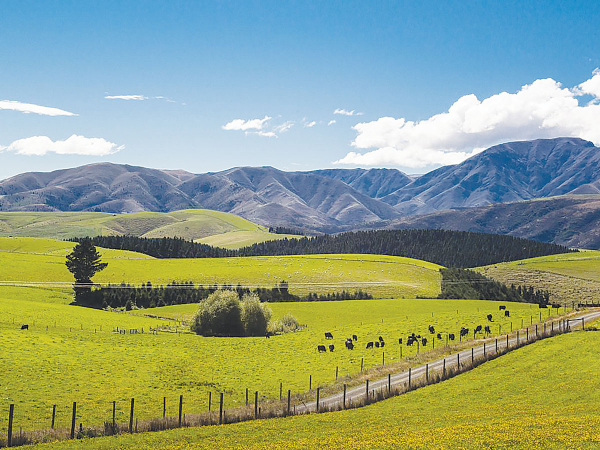 Environment Southland has announced they will be working towards a net zero carbon target.
Environment Southland (ES) councillors have adopted an organisational target to reach net zero greenhouse gas emissions by 2050.
Net zero means cutting greenhouse gas emissions to as close to zero as possible, with any remaining emissions being offset through actions like planting trees.
Nationally, 42% of councils have net zero or carbon neutral targets ranging from 2025-2050 for their council operations and/or their council area.
Currently, 44% of councils are actively monitoring and reporting their emissions. Of those that are not, a number have committed to this in the future or are currently going through the baseline process.
Strategy and policy committee chairman Lyndal Ludlow says setting an organisational net zero greenhouse gas target for 2050, as a minimum, is a good starting point for aligning with net zero targets nationally and internationally.
“The risks and implications of climate change are being felt across New Zealand. It’s important for Council to ‘walk the talk’ and commit to reducing its emissions. Many in the community are already doing this,” Ludlow says.
“Measuring our current emissions is key to building a better picture of where reductions can be made,” he says. “This work is urgent and underway. Additional interim targets will also be considered along with how these could be best incorporated into a realistic emissions reduction pathway for Environment Southland.”
Among the things that may be considered include a further review of ES’s vehicle fleet, improving online meeting technology; increasing renewable energy options and reducing energy consumption for building and monitoring equipment, and reviewing procurement policies to ensure they align with the net zero organisational goal.
Emissions reduction planning will form a key part of ES’s next long-term plan (2024-34).
Councillors and staff from Southland’s four councils, with Te Ao Mārama (the environmental arm of Ngāi Tahu ki Muirhiku), have formed the Climate Change Inter-agency Group, which held its first meeting in February.
The priority for this group is to develop the Regional Climate Change Strategy. This work will provide key information for the development of each council’s Long-term Plans, driving Southland’s long-term response to climate change.
Southland farmers are being encouraged to get ahead of the winter grazing season by attending a practical field day in Pukerau next week.
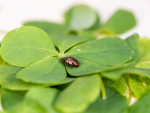
Environment Southland is welcoming this week’s decision by the Environmental Protection Authority (EPA) to approve the release of Blaptea elguetai, a leaf‑feeding beetle that will help control the highly invasive Chilean flame creeper.
Environment Southland is inviting feedback on two bylaws that play a critical role in safeguarding the region's waterways and ensuring the safety of the local community.
While the North Island is inundated with rain, Southland is facing receding water levels as warm weather and lack of rainfall continues.
OPINION: Recent media commentary from Southland Federated Farmers has raised concerns among our rural communities, particularly around Environment Southland’s approach to winter grazing inspections and nitrogen reporting. But let’s be clear, much of what’s been said simply doesn’t reflect reality.

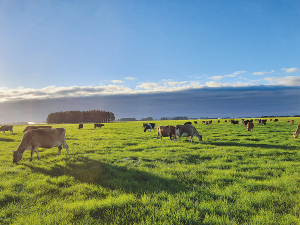
OPINION: Farmers around the country are welcoming the proposed reform of local government.
A move to boost farmer uptake of low methane emitting sheep is underway.
Silver Fern Farms has tackled the ongoing war-induced shipping challenges to mideast markets by airlifting 90 tonnes of chilled New Zealand lamb and beef to the United Arab Emirates.
The primary sector is leading New Zealand's economic recovery, according to economist and researcher Cameron Bagrie.
Dairy industry leader Jim van der Poel didn't make much of the invitation he received to the recent New Zealand Dairy Industry Awards in Rotorua.
Farmers around the country are going public big time, demanding their local district, city and regional councils come up with amalgamation plans that meet the needs of rural communities and don't allow urban councils to dominate.




OPINION: The old saying 'a new broom sweeps clean' doesn't always hold up, if you ask the Hound.
OPINION: This old mutt went to school to eat his lunch, but still knows the future of the country, and…