New Rural Recycling Scheme to Replace Voluntary Farm Plastics Programmes by 2027
Environment Minister Nicola Grigg has announced details of a new rural plastics recycling scheme.




 increase font size
 "It is important that sheep and beef farmers are heard and understood," says Beef + Lamb NZ farmer council chairman Andrew McKenzie.
The environment is one of the biggest issues facing sheep and beef farmers, says the northern Beef + Lamb NZ farmer council chairman Andrew McKenzie.
Regional councils must have a plan in place by 2025 to maintain or improve fresh water in their regions, McKenzie says, in his annual report.
"It is important that sheep and beef farmers are heard and understood," he says.
Farmers need to understand the changes and the farmer council needs to advocate on their behalf.
Each region faces its own complexities. BLNZ has added a fulltime environment position in both islands. It also has environment 'champions' for each farmer council.
"We work in partnership with two councils – Auckland Council and Northern Regional Council – to seek a collaborative approach to land environment plans," McKenzie says.
Both councils have seen this as a benefit and have agreed to fully fund land and environment plans in both regions.
McKenzie also says another new initiative has been collaborative industry-good dinners attended by at least 100 people.
The aim is to encourage people in remote districts to come out and interact with each other. Those who helped organise and donate their time included BLNZ, Dairy Women's Network, Fonterra, the Rural Support Trust, Primary ITO, WorkSafe NZ and FMG. More dinners are planned.
Environment Minister Nicola Grigg has announced details of a new rural plastics recycling scheme.
For the first time in a quarter of a century, Federated Farmers has something positive to say about the Labour Party’s climate change policy leading into a general election.
The Ballance Farm Environment Awards are coming to the West Coast of the South Island.
Climate, nature and animal wellbeing make up Fonterra's refreshed sustainability roadmap released last week.
There's been widespread support from the primary sector for the Government's announcement on changes to freshwater farm plans that come under the Natural Environment Bill, which is now set to replace the existing RMA.

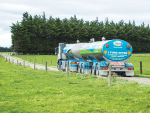
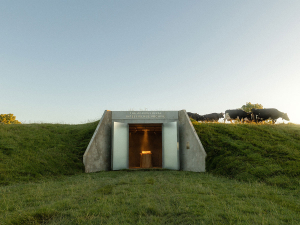
Halter has launched Mav, an AI farming assistant that lets dairy farmers ask questions about their herd and pasture and get answers drawn from the data the company’s collars already collect.

OPINION: At first glance it appears that Father Christmas has delivered the rural sector good tidings, with most pundits predicting the return of the centre-right coalition.
For 15 years, Glenda Rees has travelled from Gore to Awarua, often several times a week, to keep watch over one of the country’s rarest birds.
With some farmers opposing a government-industry partnership set up to develop methane reducing products, one NZ company claims that it already has a product on the market.
During the nesting season, from September to December, industrious starlings can quickly build nests in the darker areas behind tractor and vehicle, usually close to hot engines, typically resulting in localised damage or in some cases complete write-offs.
The meat processing industry is much more collegial than it was in the past and is now more focused on common goals.




OPINION: The same mainstream media muppets that brought you Jacindamania in 2017 have been flat out pimping for the Opportunities…
OPINION: Your old mate reckons the atrocious way farmers in the UK are treated by their lords and masters in…