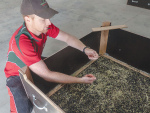
World reopens for NZ asparagus
An asparagus breeder sees scope for the industry making a “tremendous breakthrough” via the Comprehensive and Progressive Agreement for Trans-Pacific Partnership (CPTPP).




 increase font size

BEEF PRODUCERS from four Trans-Pacific Partnership (TPP) member countries have demanded that any TPP agreement be a "high quality deal that eliminates all tariffs on beef".
Members of the Five Nations Beef Alliance (FNBA) from Australia, Canada, New Zealand, represented by Beef+Lamb NZ, and the United States, have issued a statement urging all participants involved in the TPP negotiations "to re-commit to securing a comprehensive, non-discriminatory outcome – one which eliminates tariffs and importantly addresses behind the border trade barriers.
FNBA says it is concerned that TPP members have not been able to craft a tariff-eliminating deal for beef, and "unless all parties step up to the plate and reaffirm their commitment to a trade liberalising outcome, countries could begin to drift away from the goal of achieving a 21st century agreement".
FNBA producers expect an accord "which addresses commercial impediments rather than assigning them to the 'too hard basket'. Above all, a TPP agreement must make it easier to do business - it must facilitate and enhance trade".
FNBA also calls for each TPP member country to provide the same market access arrangements to all other members, in order to ensure that competitive disadvantages are not created and trade subsequently distorted. This in turn will set clear parameters around the obligations required by future TPP aspirants.
Despite the inherent challenges, TPP members must ensure any agreement delivers the open trading environment originally envisaged.
In so doing, the TPP will be widely viewed by commercial entities as a worthwhile initiative.
The FNBA comprises the Beef+Lamb NZ, Cattle Council of Australia, Canadian Cattlemen's Association, Confederacion Nacional de Organizaciones Ganaderas, and the National Cattlemen's Beef Association. Together, FNBA represents producers from countries that account for one-third of global beef production and about half of global beef exports.
An asparagus breeder sees scope for the industry making a “tremendous breakthrough” via the Comprehensive and Progressive Agreement for Trans-Pacific Partnership (CPTPP).
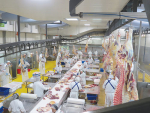
The Trans-Pacific trade deal, CPTPP, has already cut tariffs on New Zealand beef to Japan from 38.5% to 26.6%.
Your old mate was interested to see Trade Minister David Parker recently hailing the success of the revamped TPP trade deal.
NZ exporters are among the first to benefit from the Comprehensive and Progressive Agreement for Trans-Pacific Partnership (CPTPP) which took effect at the beginning of the new year.
The Hound, like most rational people in NZ’s primary and export sectors, was delighted to see the much maligned and denigrated trade agreement of the past few years – the CPTPP, formerly known as the TPP – come into force this month.


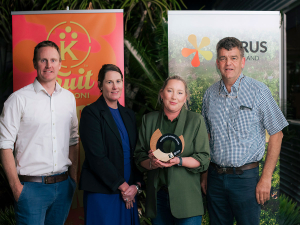
New Zealand's citrus growers were challenged to build their future on the value embedded in their fruit rather than the volume they produce, at Citrus New Zealand's annual gathering in Gisborne on 17 September.
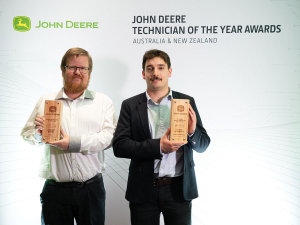
Leading John Deere technicians and apprentices from New Zealand and Australians were recognised at the recent sixth annual JD Technician of the Year Awards, held in Brisbane.
In Dacre, near Invercargill in New Zealand’s South Island, Bruce Dinnington is running a dairy operation unlike any other.
A free online platform aggregating governance vacancies across rural and regional New Zealand has been launched.
Environment Minister Nicola Grigg has announced details of a new rural plastics recycling scheme.
Agricultural drone operators say that a government decision to allow lower-risk drone work without certification won’t lower standards but drive innovation and efficiency.





OPINION: The same mainstream media muppets that brought you Jacindamania in 2017 have been flat out pimping for the Opportunities…
OPINION: Your old mate reckons the atrocious way farmers in the UK are treated by their lords and masters in…




