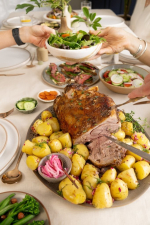
Move over ham, here comes lamb
It’s official, lamb will take centre stage on Kiwi Christmas tables this year.




 increase font size
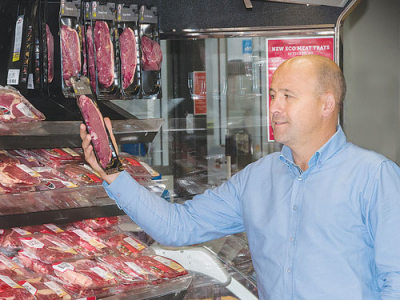 Andy Leonard.
Markets for New Zealand lamb have performed strongly for the last six months, says Affco general manager Andy Leonard.
While some Brexit anxiety persists in the UK, other markets – Europe, the US, the Middle East and China -- have performed above expectations.
“Farmers should be lot happier with the state of play,” Leonard told Rural News.
He believes a shortage of lamb exports from Australia and NZ help explain the price rise. A “relatively consistent” exchange rate over the last six months is also helping farm returns.
Affco is one of NZ’s four large meat exporters; lamb and beef are its main exports.
“Lamb prices today are well above those at the same time last year; six months ago that didn’t look like happening.”
On the beef market, Leonard says it remains solid, backed by the US ground beef market holding up.
“Generally beef pricing is solid and consistent -- not too many fluctuations.”
In recent weeks most NZ meat plants have been processing cows culled by the dairy industry.
But with the dairy payout picking up, cull cow numbers are expected to drop.
Leonard says cull cow kill numbers are down 15% year-on-year. “Most beef plants would have been reasonably full but it will now start to drop off.”
It’s official, lamb will take centre stage on Kiwi Christmas tables this year.
Alliance Group has secured greater access for chilled beef exports to China, following approval for two of its processing plants to supply the market.
There's been a dramatic and larger than expected drop in the number of lambs produced in New Zealand.
Beef + Lamb New Zealand (B+LNZ) says recent criticism from the UK’s Secretary of State for Environment, Food and Rural Affairs regarding New Zealand’s animal welfare standards are unfounded.
After a tough 18-plus months, there is now an air of optimism in the sheepmeat market as we hit the start of the 2024-25 export season.


Synlait has swung to second-half profit as operations stabilise, but the dairy processor still posted a $75.4m annual loss.

LIC shareholders have elected a new North Island representative to the co-operative's Board, along with five representatives to its Shareholder Reference Group (SRG), following the company's Annual Meeting held in Invercargill.
Farmers across parts of Southland and South Otago are continuing to deal with difficult conditions after a prolonged run of wet weather, with pressure building around feed supply, stock management, pasture damage, farm infrastructure and everyday workloads.
Federated Farmers says it welcomes Labour's commitment to reviewing the Sharemilking Agreements Act, calling on other major parties to do the same.
For Canterbury dairy farmers Sian Meijer and Rick Wobben, wearable technology has become one of their most valuable on-farm tools - helping manage 1850 cows across an expansive, high-performing dairy operation while improving efficiency, mating outcomes and day-to-day decision making.
Fonterra has unveiled its annual results for the 2026 financial year, posting $27 billion in revenue and close to $20 billion returned to New Zealand farmer owners and unit holders.




OPINION: The same mainstream media muppets that brought you Jacindamania in 2017 have been flat out pimping for the Opportunities…
OPINION: Your old mate reckons the atrocious way farmers in the UK are treated by their lords and masters in…




