
The Strength of Co-Operatives
OPINION: Is New Zealand ‘Godzown’ or the ‘Last bus stop on the planet’?




 increase font size
 Around 70% of New Zealand cooperatives are in the rural sector.
Cooperative Business New Zealand (CBNZ) has expanded its governance training offering this year.
It says this is in response to the need for ensuring New Zealand’s cooperative shareholder governors (who often sit across multiple boards) have the right skill sets to be effective.
There are two courses specifically tailored to the co-operative model for aspiring / future directors:
In addition, it is offering courses for current sitting directors:
Around 70% of New Zealand cooperatives are in the rural sector.
CBNZ says providing training that is specifically tailored to the cooperative model is a priority for the organisation.
“While a cooperative has many similarities to other business models, there are nuances and complexities,” it says.
“The courses offered, in partnership with leading governance trainers, aim to address these issues to help governors be more effective board contributors.”
One of the key differences of a co-op is that shareholders are also the custodians of the business. Ensuring shareholder governors have the right skill sets to sit at the table, of what in many cases are large commercial operations, is an ongoing focus for these businesses.
“The current environment has very much highlighted the risks and challenges boards are facing,” says CBNZ.
“Our members are focused on long-term viability so they are taking an active role in succession planning. They are encouraging the development of these skills early, starting with the shareholder base.
“We are finding more boards now focusing on diversity of thought, with members recognising that having a variety of perspectives is beneficial in addressing issues and achieving better outcomes.”
More information on governance training is available on its website.
OPINION: Is New Zealand ‘Godzown’ or the ‘Last bus stop on the planet’?
OPINION: On their second date, my mother, then 17, told my father that she was a socialist. His response was that he was a conservative, so that would mean that their children would be liberals!
Two former Fonterra directors have been elected to the Cooperative Business New Zealand board.
Agribusiness expert Professor Nicola Shadbolt says that New Zealand cooperatives have a bright future ahead of them.


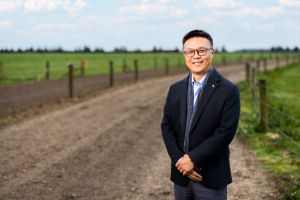
Canterbury milk processor, Synlait Milk has confirmed Leon Fung as its chief executive officer.

OPINION: Making it easier to collect rainwater and use it to grow crops and livestock is a no brainer.
As part of its Election 2026 coverage, Rural News asked political parties how they would help pull the arable sector out of the doldrums. Here's what they said:
Farmers are being encouraged to rethink how they manage waste on farm with the launch of ruralwastesorted.co.nz, a new website bringing together practical tips, real farmer experiences and resources.
New Zealand Winegrowers (NZW) is celebrating the India-New Zealand Free Trade Agreement (FTA) coming into force today, bringing New Zealand wine improved access to one of the world’s fastest-growing economies.
New Zealand’s red meat sector has welcomed the India-New Zealand Free Trade Agreement taking effect, which removes India’s 33% tariff on New Zealand sheepmeat.


OPINION: The same mainstream media muppets that brought you Jacindamania in 2017 have been flat out pimping for the Opportunities…
OPINION: Your old mate reckons the atrocious way farmers in the UK are treated by their lords and masters in…