
Editorial: Stay the Course
OPINION: The United States wine market has changed forever, and companies cannot use same old playbook, said Erin Kirschenmann at the New Zealand Wine 2026 Wine Business Forum in August.




 increase font size
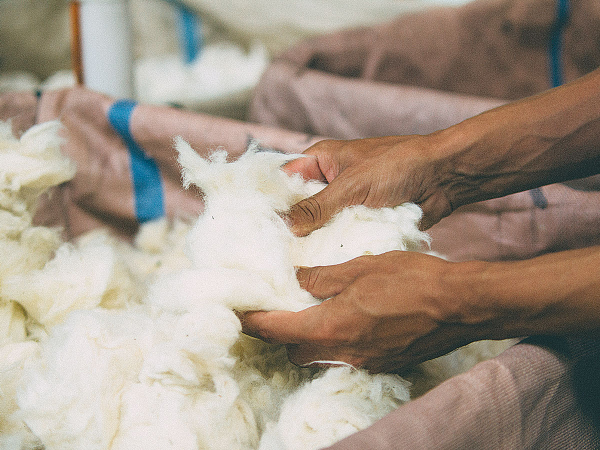 Wools of New Zealand has signed an agreement with leading Chinese rug and manufacturer Yangxin Ruixin Group.
Wools of New Zealand has signed an agreement with leading Chinese rug and manufacturer Yangxin Ruixin Group for the company to use Wools of New Zealand branding on its products.
While, Wools of New Zealand already has an extensive trade partner network internationally, this is the first arrangement the farmer-owned company has entered into with a Chinese manufacturer to produce branded products.
The agreement was signed by Wools of New Zealand chief executive John McWhirter and Jimmy Huang of Yangxin Ruixin in Christchurch.
“We already work with a New Zealand exporter to China and supply a yarn spinner who sells out farmers’ product into a range of companies in the Chinese market,” says McWhirter.
“However, this is our first agreement with a Chinese company producing branded products,” he says.
The agreement means Yangxin Ruixin will be able to use the Wools of New Zealand logo on their products that contain at least 60% Wools of New Zealand-supplied fibre.
“This is adding to the growing list of Wools of New Zealand partners taking the New Zealand wool story to international consumers,” McWhirter says.
He says Yangxin Ruixin and the Chinese Embassy approached Wools of New Zealand to discuss establishing the branding agreement.
Huang was in New Zealand as part of a visiting Chinese delegation.
Yangxin Ruixin was founded in 1998 and is located in the Shandong province. It sells its products under the Silktouch brand in China while exporting under the Ruixin brand.
It produces a range of types of carpets and rugs for the commercial, hospitality and residential markets and operates the largest hand-tufted factory in China, with 3,000 employees.
McWhirter says an advantage of the agreement is the ability of Yangxin Ruixin to monitor any Chinese manufacturers falsely claiming to be using Wools of New Zealand wool.
“Counterfeit wool claiming to be New Zealand wool does get sold,” McWhirter says. “We have taken action in the past against companies using our logo without permission.”
“However, it is hard for us to police that in China so it is very good to have a partner and ‘eyes in the market’ there,” he says.
“Working with Yangxin Ruixin means they have a brand authenticated product and an interest in protecting the brand,” McWhirter concludes.
OPINION: The United States wine market has changed forever, and companies cannot use same old playbook, said Erin Kirschenmann at the New Zealand Wine 2026 Wine Business Forum in August.

Chinese beef trade quotas and a looming suspension of Brazilian beef imports into the European Union are expected to reshape global beef trade flows over the remainder of 2026, with implications for New Zealand exporters, according to Rabobank's Q3 Global Beef Quarterly report.
China remains New Zealand’s biggest market, taking $23 billion of our exports, but it’s no longer a commodity story, says Prime Minister Christopher Luxon.
Fonterra is strengthening its foodservice presence in China with the launch of a new cream for professional bakeries at Bakery China 2026 in Shanghai.
According to new research, industry leaders have ranked world-class biodiversity as the number one priority for the 16th year in a row.


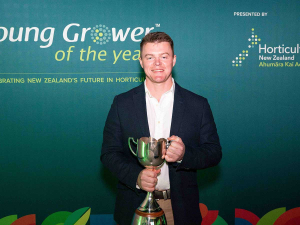
The potato industry is celebrating the success of two rising stars - James Blair, the 2026 Young Grower of the Year and runner-up and innovation award winner, Amber Davy.
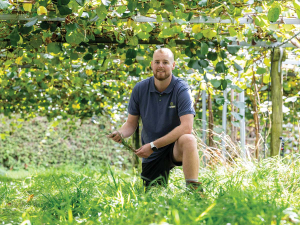
Twenty-eight emerging leaders from across the horticulture sector spent two days last month learning valuable skills and connecting with industry experts.
There are five entrants in this year’s Young Horticulturist of the Year, competing in a series of technical, practical, business and leadership challenges.
A seasoned horticulturist has been appointed to deliver the Apple Action Plan, a key initiative of the India-New Zealand Free Trade Agreement.
New Zealand's citrus growers have been told to compete on the value built into their fruit rather than the volume they grow.
Hawke's Bay fruit growers are being reminded of the need to prepare for whatever the El Niño weather system may bring in the coming months.





OPINION: The same mainstream media muppets that brought you Jacindamania in 2017 have been flat out pimping for the Opportunities…
OPINION: Your old mate reckons the atrocious way farmers in the UK are treated by their lords and masters in…




