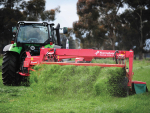
How to Make High-Quality Grass Silage
Grass silage is pickled pasture, preserved through the conversion of its sugars into lactic acid by bacteria.




 increase font size

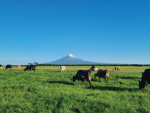
TAKING EARLY silage this spring may help avoid a costly long-term loss of pasture quality, say rural professionals, as pasture covers nationwide reach unseasonably high levels.
But extra care’s needed in ensiling to ensure what’s conserved is worth keeping, they stress.
“The first thing to check is whether there’s a genuine surplus,” says Dairy NZ’s productivity team leader, Rob Brazendale. “Those who monitor pasture growth will be able to identify that with their feed wedge.”
Any pasture heading for a cover exceeding 3200kgDM/ha before the next grazing is a likely candidate for taking out of the round and cutting when there’s a good forecast.
“One of the advantages at this time of year is the feed quality doesn’t deteriorate so quickly so you can be a bit more patient waiting for the weather.”
Another advantage is contractors are likely to have less work, so should be more flexible with timing, he adds. “You really need three days of clear weather forecast.”
Cutting a smaller area at any one time is advisable to reduce risk, but with smaller areas, filling pits completely may not be possible so making baleage and leaving the pit to the main cut may be a better bet, he suggests.
He also recommends using an inoculants – “one tested and proven in New Zealand conditions.”
Independent nutritionist and silage specialist Trish Lewis says the inoculant should be a fermentation enhancing one, as opposed to a stabilising type product. “You want an inoculant that’s got lactic acid producing bacteria in it that speeds up the fermentation.”
Whether to make pit or bale silage depends on what can be made best, she suggests. “Pit silage can go in slightly wetter, though modern balers are better at handling wet material.”
As always, rolling the pit to get air out, and sealing it well, is essential, but with wetter material care needs to be taken not to over pack it, she adds.
Taking silage now will not only start to rebuild feed reserves raided during last season’s drought, but will protect production down the track. “If you don’t [cut it], next time it’s grazed the pasture ME’s going to be down and the fibre up, and recently calved cows are already challenged with the amount of dry matter they’ll eat, so their energy intake will be even less.”
An option for those still calving is to give newly calved cows the first bite at any longer-than-ideal paddocks, then bring the remaining dry cows in to clean up. But for many that opportunity is almost past and ensiling surplus is now the way forward.
Lewis says she has one client, in Northland, who has already taken two cuts.
Talking to contractors in good time is vital, a point echoed by Rural Contractors Association president Steve Levet.
“If you are contemplating shutting up paddocks for silage at this time of year, make sure they’re your drier ones,” he told Dairy News.
“The other thing is health and safety. Make sure you tell the contractor about any hazards there might be in the paddock… stumps, tomos, lumps of concrete, holes, wet spots. If it’s under the grass you can’t see it.”
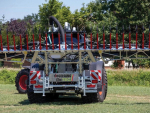
A forgotten waratah stake or hot-wire standard can seriously damage machinery, he adds.
Grass silage is pickled pasture, preserved through the conversion of its sugars into lactic acid by bacteria.
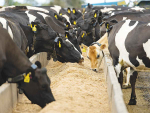
As I write this article, we have just had our first frost in the Waikato, a change in weather signalling that winter is upon us.
Waikato farmer Dave Muggeridge was fed up with water seeping in through his maize silage cover and spoiling feed.
Creating perfect silage is both a science and an art, and it all begins with the right tools, according to machinery maker Claas.
Good silage starts by cutting the crop at the correct growth stage, followed by reducing moisture content, chopping to a consistent length, then stacking in a clamp.


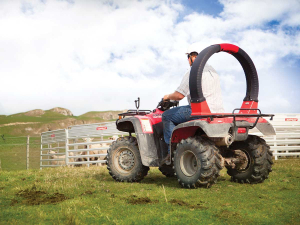
When Northland leather worker Vernon Suckling started making horse saddles 50 years ago, quad bikes and side-by-side vehicles were unheard of.
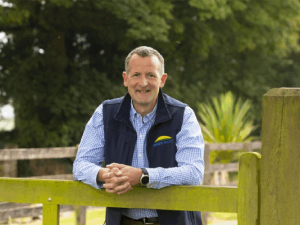
Alliance Group has confirmed that eligible farmer-shareholders who supply and continue to back the business will receive up to $20 million later this year, following the strategic investment partnership with Dawn Meats.
With a general election under five weeks away, Rural News is asking major political parties about their policies and positions on key issues facing the primary sector. We will run their responses to each question over the next four weeks. The ACT Party and the Greens didn't respond in time.
The red meat sector is in great heart.
Dr Scott Champion, Foundation for Arable Research chief executive, says that everyone in the supply chain had a role to play in driving the sector's long-term success.
Entries opened on Monday, 5 October 2026 for the 2027 New Zealand Dairy Industry Awards (NZDIA), which organisers describe as the nation's biggest celebration of excellence in the dairy sector.


OPINION: It seems Canterbury processor Synlait is still in the doldrums.
OPINION: Get offside with New Zealand First leader Winston Peters at your own peril.




