Farmers are taking steps to improve wintering systems despite the challenges of COVID-19 restrictions and weather events.
That’s the view of the Winter Grazing Action Group, formed to work on recommendations of a government-appointed taskforce that looked at winter grazing practices in lower South Island.
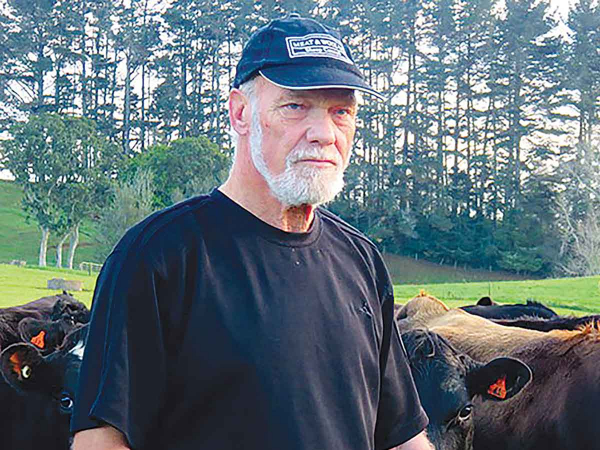
Action group chair Dr Lindsay Burton said it was important everyone worked together to ensure farmers had the right tools to get through winter.
“Ensuring you follow a gradual transition plan when moving your animals from pasture to crop and back again will help prevent issues. This is particularly important for cattle wintered on fodder beet,” says Burton.
For farmers, the focus heading into winter should be on providing the right feed at the right time, as well as shelter and easy access to drinking water. Doing this should have the flow-on effect of limiting stock movement and help reduce damage to crop and soil.
Farmers and rural professionals are being urged to look at DairyNZ’s website for advice on good winter grazing practices and specific recommendations for transitioning stock onto crop, and balancing the diet which differs between the species.
During the lockdown period, Burton says the action group has remained committed to progressing its work to improve wintering practices, meeting virtually to keep up the momentum.
“We recognise the good work that has already been done by farmers throughout New Zealand, but particularly in Southland, to improve their wintering systems. The fact that everyone has been so proactive, in spite of the challenges they have faced with adverse weather events and COVID-19 restrictions, should be applauded.”
Following a nationwide anti-grazing campaign which highlighted some Southland cows standing in mud, Agriculture Minister Damien O’Connor set up a taskforce which undertook a review of current practices and made 11 recommendations to be taken forward by the pan-sector Winter Grazing Action Group.
The recommendations, which included some work to understand and mitigate the causes of the animal welfare consequences from intensive winter grazing practices; and work to recognise the barriers to adopting improved animal welfare practices, have been taken up by the action group with gusto, Taskforce chair Dr John Hellström says.
“Improving winter grazing systems is not something that can be achieved overnight, but the action group is on the right track and I’m confident that the recommendations the taskforce made are being progressed to ensure improvements for this winter and beyond.”
The action group is focussed on educating farmers on careful management when introducing stock to new feed types and ensuring contingency plans are in place to manage any severe or prolonged wet winter weather.
In the short-term, Burton says there are actions farmers can take now to ensure the immediate welfare of their animals, including making appropriate shelter available when needed as well as suitable areas for stock to lie down.
“That could be as simple as planning to graze the best sheltered paddock last, and keeping it ‘up your sleeve’ for a weather event.
“Changing practice will take a long time.
“This is not a one-winter solution but we will keep working with farmers and sector leaders to improve things now and in the future.”