Instead the Talleysowned company will keep an eye on dairy prices in the coming weeks before adjusting its forecast milk price.
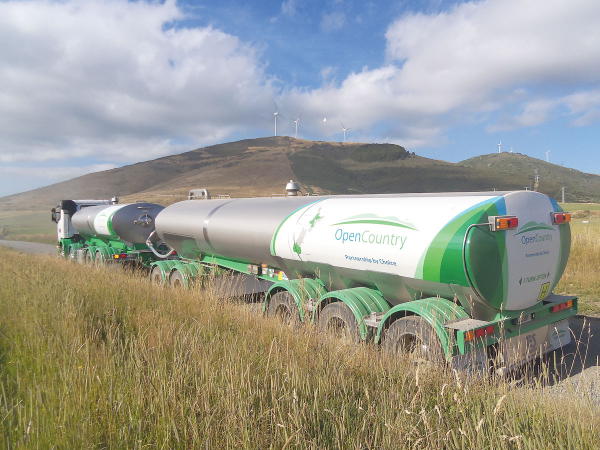
Open Country Dairy chief executive Steve Koekemoer welcomed the 3.2% jump in whole milk powder prices.
While still way off the US$4757/MT mark reached one year ago, a rebounding demand in China for dairy products is a good omen for the coming months.
Koekemoer says it was great to see the WMP prices lift at the recent Global Dairy Trade auction.
However, it’s a little early to call it an upward trend, he says.
“But it certainly indicates a positive step forward.
“We did expect the market to recover from the extended low point that we have experienced over the past few months and this seems to be the start of it. Demand for our ingredients has certainly gained more traction recently, which aligns with the market outlook.
“We welcome the incremental WMP price increases and will monitor market developments over the coming weeks carefully.
“Our preference is to proceed with caution as opposed to rash changes. Our milk price forecast remains unchanged at this stage as we had factored the recovery into our future periods.
“Clearly, if the recovery is stronger than we anticipated we would adjust for further upside.”
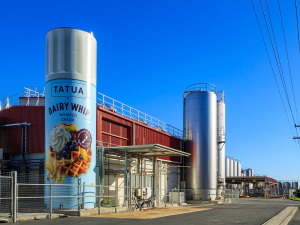
Koekemoer told OCD suppliers that its cheese product portfolio, which now includes the new lactose plant, is delivering the best return for their milk solids and has been for a while now.
“Maximising this product mix ensures we stay very competitive on milk price. The factories are running well as we look to minimise costs and keep our efficiencies up with milk declining towards the tail end of the season.”
BNZ senior economist Dug Steel agrees that there have been some recent signs of stabilisation. “This follows as global economic sentiment has improved a bit, China has reopened, and, not so positively, adverse weather sees downside risk to late season NZ milk production.”
Steel notes that GDT prices rose 3.2% in early February but are still down 27% on a year ago.
Fonterra’s current forecast milk price range for 22/23 has a $9 midpoint and he sees some downside risk to that.
“We recently trimmed our own 22/23 milk price forecast to $8.60.”
ANZ has also slashed its forecast milk price for the season by 25c to $8.50/kgMS; the lower end of Fonterra’s latest price guidance of $8.50 to $9.50/kgMS.
The bank’s agriculture economist Susan Kilsby notes that dairy prices have been quite weak this summer, compared to recent years.
But she also expects prices will steadily improve from here.
The last GDT result “will help to instil some confidence in the market.”
“We are forecasting a modest improvement in dairy prices across the remainder of the 2022-23 season,” she says.
While demand from China may be improving, a big domestic WMP stockpile may stand in the way of global price rises.
“WMP prices are highly dependent on demand from China. While demand from the Chinese market appears to be improving, it does not appear that this market is short of stock at present.
“Additional domestic production of WMP is also expected to bolster stocks, but many Chinese companies still prefer to use imported milk powders due to the consistent quality of the product.”
The strengthening New Zealand dollar will also have a say on future dairy prices.
Kilsby also notes that exchange rate have been largely unfavourable for farmgate prices.
“While we expect dairy commodity prices to gradually recover, we also expect the NZD to appreciate further.”
“The NZD has been relatively weak over the past year, which has helped offset a period of lower dairy commodity prices. The NZD is now trending higher, but dairy farmers will still benefit both this season and next season from processors’ FX hedging positions.”