LIC: Faster Bull Team Change Reflects Genetic Progress
In the past, a bull could sit comfortably in a breeding team for several years with little change, but today, that’s no longer the case.




 increase font size
FARMER CO-OP LIC has bought the majority interest of its Brazilian genetics distributor, NZ Brasil Genetics Producao Animal Ltda.
The joint venture (JV) includes exclusive supply of LIC's dairy genetics for an initial period of 10 years, through a new entity called LIC NZBrasil.
LIC chief executive Wayne McNee says the co-op began exporting genetics to Brazil in 1999, but the new JV will seek to deliver a better return to farmer shareholders in New Zealand.
"Brazil is the fifth largest dairy industry in the world, with more than 23 million dairy cows. Huge growth is expected over the next 10 years and this presents a significant opportunity for LIC, and our shareholders.
"Our objective with the joint venture is to support the growth of Brazilian dairy industry, providing high quality genetics solutions to build a sustainable business that will generate a better return for LIC in New Zealand."
Brazilian cow numbers are forecast to increase to 25 million by 2020, and annual production to surpass 38 billion litres. While the use of artificial insemination is low, around 20% of cows, it is growing, with the number of inseminations doubling since 2008.
Demand for pasture-based genetics and the progeny it delivers is also on the rise, reflecting a growing belief in the value of genetic improvement to drive productivity gains.
McNee says the JV supports LIC's goal to be $1billion revenue cooperative by 2025.
"To achieve this goal, LIC needs to grow in New Zealand and overseas. As part of this we have been working to identify key markets and businesses that align with our growth aspirations and fit with our co-op focus.
"We have identified the Brazil as a key international market that will add value for our shareholders."
Other key international markets in the co-op's sights include the United Kingdom, Ireland and China.
In the past, a bull could sit comfortably in a breeding team for several years with little change, but today, that’s no longer the case.
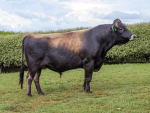
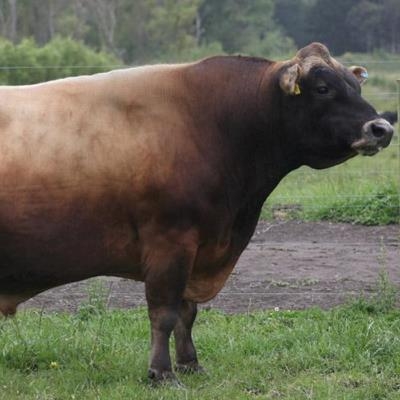
Paynes Titus Excelsior ET, an LIC bull bred by Brad Payne and Claire Brodie in the Waikato, has won the JT Thwaites Sire of the Season 2026 Award.
New season data from LIC shows a strong reproductive performance for the 2025-26 season, with a lift in key metrics compared to last season.
AgriZeroNZ is ramping up efforts to accelerate the uptake of emissions reduction tools on farm with a new initiative to help more farmers put proven tools into practice.
OPINION: Farmer confidence can feel a bit distant until a decision made at board level lands right back at the farm gate.
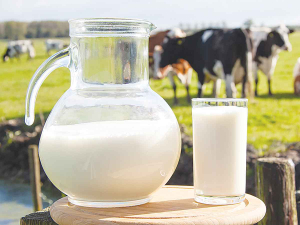
New Zealand dairy farmers are set to be the first in the world to receive access to a new digital physical milk pricing tool that enables them to fix the price for their physical milk.
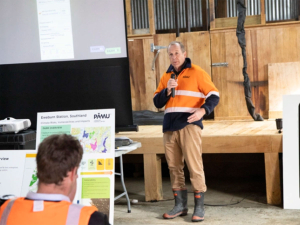
State farmer Pāmu is opening its farm gates this summer in an effort to give the rural sector the opportunity to see how large-scale, multi-system farming is delivering productivity and profitability across New Zealand.
A five-year study has found that the cost of reducing emissions without technology may be significant and unsustainable for Northland dairy farmers.
DairyNZ says Waikato farmers need certainty on Plan Change 1, but they say that certainty must be matched with practical, workable rules and a clear transition that doesn't get ahead of the new resource management system currently under review.
While the Government has moved quickly to make commercial hauliers' lot easier during the current fuel crisis, they appear to be stuck in the creep box when it comes to the agricultural industry.
Waikato farmers have been told that the Government’s new planning system legislation and the region’s Plan Change 1 (PC1) “won’t mesh together very well”.

OPINION: No one messes around with Winston Peters, more so in a general election year.
OPINION: Staying on Federated Farmers, this week's annual general meeting in Auckland is shaping up to be an interesting one.