International Day of Rural Women: Two DairyNZ Farmers’ Stories
Today, 15 October, is the International Day of Rural Women, which recognises rural women’s contribution to farming, communities and the environment.




 increase font size
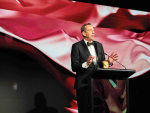
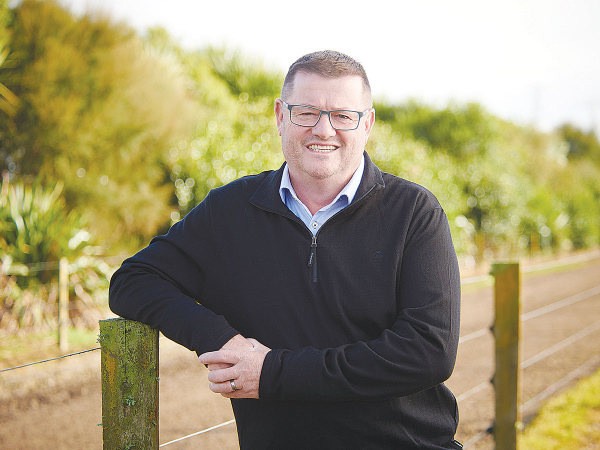 New DairyNZ chief executive Campbell Parker says he has real passion for agriculture, in particular dairy and the role it plays.
The dairy industry must continue to be incredibly competitive around converting grass into milk, says new DairyNZ chief executive Campbell Parker.
He says the NZ dairy sector's low cost of production and the ability to turn grass into milk has been part of its global competitive advantage and the industry must continue to push on that.
While the industry manages some of its environmental challenges, more feed pads, and barns will pop up, but not to the extent seen in other milk producing countries, he told Dairy News.
"Broadly, the industry will need to be incredibly competitive around converting grass into milk and balancing environmental challenges over time," says Parker.
The former chief executive GEA Farming Technologies took up the new posting this month, replacing Tim Mackle who stepped down in June after 15 years in the role.
He has spent the first few weeks getting to know the team and the business.
"It's good to come in at a time when things are busy, we had a board meeting on day five and annual general meeting of day six: I've been really trying to get to know the team and what the business priorities are," he says.
"There's a lot of information to be processed and that's good. I like to be busy."
Parker brings good knowledge and understanding of the agriculture sector, finishing his agriculture degree in 1991, spending the past 30 years working across the ag sector, including 19 years in banking, and the past eight years in agricultural manufacturing.
“Deeper than that, I have a real passion for agriculture, in particular dairy and the role it plays within the communities, the country and globally,” he says.
“I’ve always found in my career that if you doing something you can get passionate about, then it’s more enjoyable.”
Parker agrees that his new role is quite different from the previous ones.
“But this is quite a different role – to go from a lot of commercial experience to an industry-good organisation that is here for its farmers, and how do we bring some of that commercial focus and discipline to the business to make sure we’ve got the right priorities that farmers want us to focus on.”
On challenges facing the dairy sector, Parker says environmental is one of the big ones and the industry cannot shy away from it.
“That is being driven into us by consumers globally, so we’ve got to continue to improve in that space but we’ve also done lot of good work.
“So, how do we build on that and how do we get the policies and settings right so that farmers can evolve their farm systems too.”
Attracting talent to the industry – both farm workers and succession within family farms – is another challenge and so is farmer confidence.
Parker says a higher level of confidence among dairy farmers is vital.
“When dairy is doing well, local towns do well, this means cities do well, so the contribution around economic prosperity in rural communities and how do we get that farmer confidence right.”
Today, 15 October, is the International Day of Rural Women, which recognises rural women’s contribution to farming, communities and the environment.
The first major update to the Dairy Cattle Code of Welfare in more than a decade has been released, marking what DairyNZ describes as an important step in ensuring animal welfare standards continue to evolve alongside scientific evidence and on-farm realities.
Have a plan in place for your cows and staff.
DairyNZ deputy chair Cameron Henderson has been re-appointed unopposed for another term.
OPINION: The stats speak for themselves.


Federated Farmers has welcomed new rural policies released by ACT, saying they align closely with its own election priorities.

Rural Contractors NZ says proposed changes to land transport rules for agricultural vehicles are a welcome response by the Government to out of date regulations which have seen members hit with huge fines.
Alliance is calling for final applications for its 2027 Graduate Programme, with applications closing on Sunday 25 October.
Decades piloting planes has ensured vet and farmer David Hayes is focused on safety. So, after a serious accident while welding on farm, he is sharing his experience so others can learn from it.
Canterbury milk processor, Synlait Milk has confirmed Leon Fung as its chief executive officer.
OPINION: Making it easier to collect rainwater and use it to grow crops and livestock is a no brainer.

OPINION: It seems Canterbury processor Synlait is still in the doldrums.
OPINION: Get offside with New Zealand First leader Winston Peters at your own peril.




