Federated Farmers Backs Year 11 Agricultural Science
Federated Farmers is backing Feilding High School’s call to keep Agriculture and Horticultural Science as a standalone subject in Year 11.




 increase font size
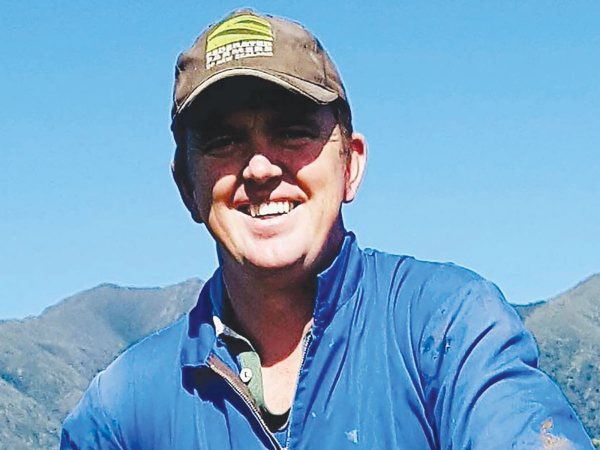 Wayne Langford.
The effects of government policies on rural communities and farmer wellbeing must be considered when drafting them, says Federated Farmers dairy section chair Wayne Langford.
“As we move from a quantity to quality form of agriculture, having a clear mind is key and will result in amazing increases in productivity, profitability and passion for farming,” he told Dairy News.
Langford made the comments to mark the Mental Health Awareness Week in New Zealand last week. He joined other sector leaders in urging rural mental health to be a priority.
Langford, who farms in Golden Bay, says mental health support for farmers and others working in agriculture has improved immensely over the last ten years. However, he says there is an opportunity to increase training through inter-personal skills and personality profiling.
He adds that mental Health is a topic talked about more openly.
“A common port of call is the Rural Support Trust, however we have also seen an increase of training with rural consultants, DairyNZ consulting officers, bank managers and others.
“When a farmer is struggling with their mental health they often feel an overburden of decisions to make.
“That’s where we can all play our part to look after each other, reaching out doesn’t need to be talking about your feelings, sometimes it’s just about lessening the load.”
Langford joined DairyNZ chief executive Tim Mackle and Dairy Women’s Network chief executive Jules Benton in calling for more funding for mental health this general election.
DairyNZ’s report The View from the Cowshed highlighted that rural mental health is an ongoing issue, with 62% of dairy farmers stating they, or someone on their farm, has experienced mental health issues in the past 12 months.
Mackle says sadly the statistics are not surprising, as mental health has been a recurring issue in rural communities for some time, but that needs to change.
“Farmers are operating in a challenging environment with a lot of variables – financial pressures, weather impacts and new regulations. These things have a huge impact on farmer wellbeing and confidence,” says Mackle.
“This election we want to see funding for rural mental health made a priority and for politicians to consider the impacts their policies can have on farmer wellbeing.
“There are a range of sector-driven initiatives to support farmer wellbeing for themselves and their staff. But whoever forms the next Government needs to come to the party and help move the dial.”
Langford agrees something needs to change to improve mental health outcomes for farmers – and it needs to change soon.
“Farmers have been under the pump this year operating in an environment with a lot of uncertainty and pressure, whether that be from drought, banks or changing regulations,” said Langford.
“It can be really challenging when you’re living remotely, the pressure comes on, and you can’t see a pathway forward.
“I’m a farmer myself and I’ve been there and felt these pressures – I still do at times. If you’re in that place the best thing you can do is take a step back, take a deep breath and reach out for help.
“We might not be able to change things like the weather, but we can change the level of support on offer and the way we talk about mental health issues in rural communities.”
Benton agreed that improving mental health outcomes for farmers must be a priority and reinforced the value of having a support system in place for rural communities.
“It’s important that farmers are honest and encouraging with each other when we face challenges, and that we build up our communities together,” says Benton.
COVID provides some relief
Federated Farmers dairy chair Wayne Langford says many farmers told him that the slowdown over Covid lockdown was a welcome relief.
“With not many places to go or meetings to attend they were able to spend time with family and tick many of those small jobs off their job list,” he says.
However, farmers did have concerns around getting animals off farm before winter with meat processors limiting supply.
“Since Covid lockdown farmers have had increased pressures with staff recruitment, freshwater regulations and of course calving,” says Langford.
“Stress levels are well above average currently and actions need to be taken to reduce the pressure on our rural communities.”
Federated Farmers is backing Feilding High School’s call to keep Agriculture and Horticultural Science as a standalone subject in Year 11.
National’s pledge to introduce 19 new national standards shows the party is serious about getting Wellington out of farming, Federated Farmers says.
Mobile phone coverage and reliability are deteriorating in rural areas, and farming families are bearing the cost, according to a Federated Farmers survey.
Central Otago District Council (CODC) has voted against a plan to spread treated sewage sludge from Cromwell and Alexandra on farmland near Lauder, a decision Federated Farmers says reflects strong opposition from rural residents.
Federated Farmers has called on Central Otago District Council (CODC) to drop or vote down a plan to truck sludge from Alexandra and Cromwell to farmland near Lauder, warning it would compound an "outrageous" situation created by a separate council's decision weeks earlier.


Decades piloting planes has ensured vet and farmer David Hayes is focused on safety. So, after a serious accident while welding on farm, he is sharing his experience so others can learn from it.
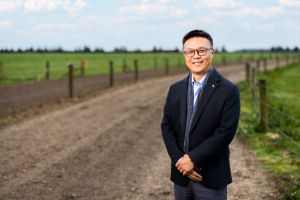
Canterbury milk processor, Synlait Milk has confirmed Leon Fung as its chief executive officer.
OPINION: Making it easier to collect rainwater and use it to grow crops and livestock is a no brainer.
As part of its Election 2026 coverage, Rural News asked political parties how they would help pull the arable sector out of the doldrums. Here's what they said:
Farmers are being encouraged to rethink how they manage waste on farm with the launch of ruralwastesorted.co.nz, a new website bringing together practical tips, real farmer experiences and resources.
New Zealand Winegrowers (NZW) is celebrating the India-New Zealand Free Trade Agreement (FTA) coming into force today, bringing New Zealand wine improved access to one of the world’s fastest-growing economies.


OPINION: It seems Canterbury processor Synlait is still in the doldrums.
OPINION: Get offside with New Zealand First leader Winston Peters at your own peril.




