LIC Chief Says BVD Eradication in NZ Is Within Reach
A dairy industry leader believes eradicating the common and costly disease, Bovine Viral Diarrhoea (BVD) is within reach.




 increase font size
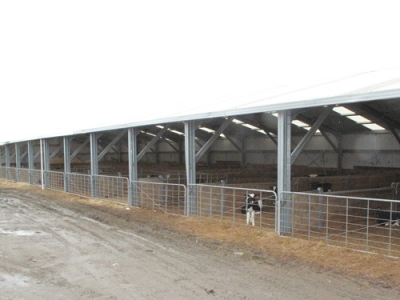 Make sure to meet the calves’ need for colostrum, water and shelter.
Calving is getting underway in many regions, seeing farmers excited to see their future herds hit the ground, LIC says.
"Getting the most out of these carefully bred young stock starts at birth, so here are some tips to help you and them survive and thrive in the rush of spring":
1. Immunity - Is delivered via colostrum. Make sure they have had 2-3L of first milking colostrum in the first six hours and another 2L in the first 24 hours of life.
2. Top notch process - When and how do you collect the calves? Do you have a system for making sure every calf gets navel sprayed, tagged and fed colostrum?
3. Roster well ahead - Make sure your staff know which days they're rostered on. If you're sole charge, consider hiring casual help occasionally to let you spend time elsewhere if you need to get essential jobs done.
4. Keep on top of bugs - There aren't enough hours in the day to do everything, but make sure you stay on top of calf shed sanitation. Mortality rates can soar quickly in dirty sheds. Talk to your veterinarian about the best products to use.
5. Calf care - For a refresher on the key points, read the Calf Care resource from DairyNZ. Make sure you know how to meet the calves' needs for colostrum, handling, shelter, bedding, and water.
6. The right rearer - Have you got the right rearer for your calves? They need to be reliable, hard-working, caring and observant, and have the willingness to deliver extra TLC when it's needed.
With processes in place, staff trained and the calves in good hands once they're in the shed, calving should go smoothly.
A dairy industry leader believes eradicating the common and costly disease, Bovine Viral Diarrhoea (BVD) is within reach.

LIC shareholders have elected a new North Island representative to the co-operative's Board, along with five representatives to its Shareholder Reference Group (SRG), following the company's Annual Meeting held in Invercargill.
Farmers can spend less time on paperwork, thanks to a new data sharing agreement between DairyNZ’s DairyBase and LIC’s MINDA software.
Body Condition Score (BCS) is a critical element in managing the health and reproduction of the dairy herd.
An LIC bull, Tronnoco AR Sadio-ET S3F, bred by Tony and Keri O'Connor of Tronnoco Farming Co Ltd near Timaru, has won the 2026 Mahoe Trophy.


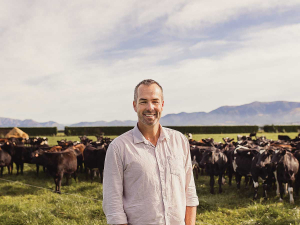
For Canterbury dairy farmer Cameron Henderson, supporting Meet the Need comes down to a simple question: how can the success of New Zealand farming benefit more than just those within the industry?
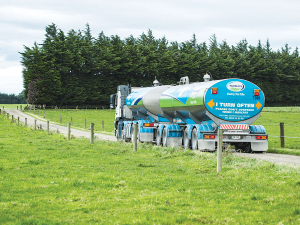
Fonterra board members are in line for a pay rise of around 3%.
Dairy processors are ready to further boost New Zealand’s export earnings but want the incoming government to match their ambition with good policy.
Massey University is best placed to solve the “problems” facing the dairy industry, says vice chancellor, Pierre Venter.
Synlait's longest serving employee – a man who joined the Canterbury-based milk processor even before it began processing milk – is now its newest executive.
A dairy industry leader believes eradicating the common and costly disease, Bovine Viral Diarrhoea (BVD) is within reach.

OPINION: It seems Canterbury processor Synlait is still in the doldrums.
OPINION: Get offside with New Zealand First leader Winston Peters at your own peril.




