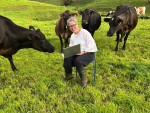
International Day of Rural Women: Two DairyNZ Farmers’ Stories
Today, 15 October, is the International Day of Rural Women, which recognises rural women’s contribution to farming, communities and the environment.




 increase font size
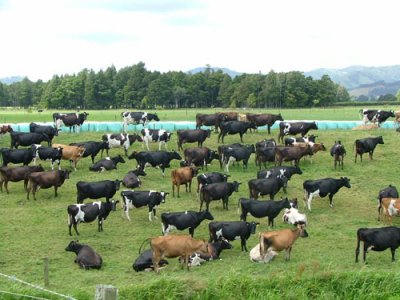 A 400 cow dairy herd produces about $10,000 of nutrients annually as farm dairy effluent.
Good effluent management is a combination of a well-designed effluent system and processes for people, says DairyNZ.
The processes for people ensure the effluent that the system collects is applied to pasture in the right quantity at the right time.
Onfarm benefits of good effluent management include fertiliser savings, improved soil condition, prevention of animal health issues and compliance with council rules or resource consent.
The key to good decisionmaking is understanding the soil water deficit. It is essential to prevent ponding and run-off and to avoid applying effluent to saturated soils.
Soil water deficit is the amount of water (effluent) which can be applied to the soil before it reaches field capacity (which refers to the amount of water held in the soil after excess water has drained away). If effluent is added at field capacity it will likely result in ponding, runoff or leaching.
The average dairy cow produces about $25 of nutrients annually as farm dairy effluent (FDE). For a 400 cow dairy herd this represents about $10,000 of nutrients annually. If these FDE nutrients are used effectively then this significantly reduces the fertiliser bill.
The DairyNZ Farm Dairy Effluent Spreading Calculator (app or Excel spreadsheet) allows farmers to easily calculate nutrient loadings and application rates for dairy effluent based on a number of customisable inputs. This means that farmers can manage the application of their effluent nutrients with greater precision.
Today, 15 October, is the International Day of Rural Women, which recognises rural women’s contribution to farming, communities and the environment.
The first major update to the Dairy Cattle Code of Welfare in more than a decade has been released, marking what DairyNZ describes as an important step in ensuring animal welfare standards continue to evolve alongside scientific evidence and on-farm realities.
Have a plan in place for your cows and staff.
DairyNZ deputy chair Cameron Henderson has been re-appointed unopposed for another term.
OPINION: The stats speak for themselves.



Federated Farmers has welcomed new rural policies released by ACT, saying they align closely with its own election priorities.

Rural Contractors NZ says proposed changes to land transport rules for agricultural vehicles are a welcome response by the Government to out of date regulations which have seen members hit with huge fines.
Alliance is calling for final applications for its 2027 Graduate Programme, with applications closing on Sunday 25 October.
Decades piloting planes has ensured vet and farmer David Hayes is focused on safety. So, after a serious accident while welding on farm, he is sharing his experience so others can learn from it.
Canterbury milk processor, Synlait Milk has confirmed Leon Fung as its chief executive officer.
OPINION: Making it easier to collect rainwater and use it to grow crops and livestock is a no brainer.


OPINION: It seems Canterbury processor Synlait is still in the doldrums.
OPINION: Get offside with New Zealand First leader Winston Peters at your own peril.




