
M.I.A.
OPINION: The previous government spent too much during the Covid-19 pandemic, despite warnings from officials, according to a briefing released by the Treasury.




 increase font size
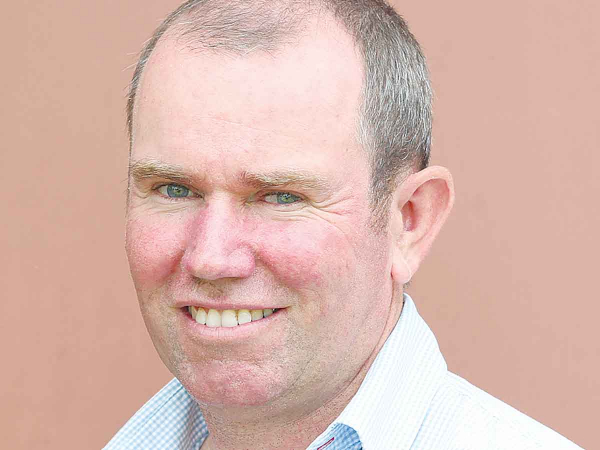 Phil Fleming.
Phil Fleming, FarmWise consultant in Taranaki, on steps farmers can take to manage debt and come out on top.
Farmers have been positioned as saviours for our post-Covid recovery, but like many, a priority for them remains reducing debt, despite the Government taking measures to reignite the economy and preserve jobs.
It’s well-known we live in one of the best countries in the world – if not the best – for dairy farming, largely due to our climate, topography and soil types. However, large expansions and easy borrowings, based on capital gains, have in the past few years, led many farming enterprises to accumulate a large amounts of debt.
With the new season underway, dairy farmers should be reviewing their budgets and assessing debt levels.
But what else could farmers be doing to weather winter and the seasons ahead and come out on top?
Frailty of finance
Reduced land values in certain regions, coupled with banks financing less dairy expansion and requesting capital repayments, means many dairy farming operations must be more mindful of managing income and expenses. Consider where savings can be made and ensure you lock in profits, with considerations for payments and tax yet to be paid.
Solid payment
Fonterra has announced a wide opening milk price forecast range of $5.40 - $6.90/kgMS for the 2020/21 season. Thankfully, it is looking on the higher side. Taking into account, maintenance, debt repayment and capital development to meet regulatory requirements, the breakeven milk price for many dairy farms will sit at around $6.50 - 6.60/kgMS.
For farmers that are highly leveraged, a milk price as close as possible or above the $6.50 - $6.60 range (and certainly no less) will be needed to make any headway. By now farmers should have done the numbers on their anticipated payment range and updated their budgets to reflect the different scenarios. If not, get onto it. Look at your farm working expenses and know what your breakeven milk price is.
Continually improving
It’s going to be another busy and at times trying season, so get yourself match fit by reviewing last season’s financials and asking yourself, what went well and what could you have done better? Where is there room for improvement and where could efficiencies be made? And remember, small changes can make big differences to bank balances.
Shop around
Compare your operation with other farms of a similar size and system to gauge your strengths and challenges. Make use of the annual Dairy NZ economic survey or dairy base to compare costs.
Seek expert help
Farmers are usually Jacks and Jills of all trades, but it’s important to seek counsel from a trusted advisor, whether that be a professional farm management consultant, bank manager, accountant or lawyer, at different times during the year for impartial advice and a fresh perspective. Equally important, plan ahead and monitor your monthly cash flow budgets so you know your current business financials. Take advantage of financial & budgeting software such as Figured-Xero or Cashmanager Rural to help with this.
Now is the time to utilise available resources to ensure an even more resilient farming community as our country collectively pulls together to weather the post Covid storm. Reach out to your local Rural Support Trust (phone 0800 Rural Help).
• Phil Fleming is a FarmWise consultant in Taranaki
OPINION: The previous government spent too much during the Covid-19 pandemic, despite warnings from officials, according to a briefing released by the Treasury.
OPINION: Labour leader Chris 'Chippy' Hipkins is carrying on the world-class gaslighting of the nation that he and his cohorts started after their disastrous Covid response; now trying to undermine the Covid inquiry to protect his own backside.
OPINION: Did former PM Jacinda Ardern get fawning reviews for her book?
OPINION: Welcome to the second annual NZ Dairy Expo at Matamata – an event created to bring together the best of the New Zealand dairy industry in a focused, grassroots environment where dairy farmers and rural professionals can meet, talk, compare products, and make smart decisions for their farms.
It's a bloody tough year for sheep farmers, but the worst may be over, and the future looks optimistic.


Converting a longstanding cropping farm to dairy was the only way to ensure the land stayed in the family long term, says new dairy farmer Rod May.

As the election heats up, Organics Aotearoa New Zealand (OANZ) has launched its election scorecard designed to help voters wanting to support policies that grow organic and New Zealand's organic sector.
A 'tsunami' of milk from key exporting countries is winding down and this may be good news for New Zealand dairy farmers.
Will the good times last? That's one of the key issues to come out of the latest Federated Farmers confidence survey.
Outgoing Fonterra Co-operative Council chair John Stevenson says that it has been a privilege to represent the co-op's farmer shareholders.
Have a plan in place for your cows and staff.



OPINION: It seems Canterbury processor Synlait is still in the doldrums.
OPINION: Get offside with New Zealand First leader Winston Peters at your own peril.




