Mission impossible
Agriculture and Trade Minister Damien O'Connor is off to Europe soon to try and breathe some life into free trade talks between NZ and the UK, and NZ and the European Union.




 increase font size
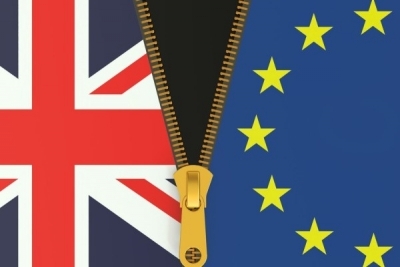
Every imaginable commentator has come out of the woodwork to offer their two cents worth on Brexit – Britain's exit from the EU.
Some farmers will recall the hype when Britain entered the EEC (forerunner of the EU) in 1973. Then, New Zealand was cut loose from Mother England's apron strings. Until then Britain had bought most of our primary produce. But come 1973 the Common Market was Britain's market and NZ was forced to cajole for trade access to the UK and the EEC.
Ironically, Brexit has NZ in a similar place, just not as dire as in the 1970s because successive governments and officials have built great relationships in the now vastly expanded EU.
Last week's Global Dairy Trade price index was modest. Since the Brexit vote there had been fairly large swings in international markets and we know commodity prices don't seem to react well to uncertainty.
But analysts say Brexit impacts seems to be modest and at a higher level Brexit doesn't mean too much in dairy markets.
The pulling back of supply here, in Australia and more recently the EU should be the bigger global factor affecting markets.
However if growth falls because of Brexit and it spills over to China and other dairy importers, that could have impacts on dairy demand and prices in the medium future.
On trade access, NZ faces problems – especially access for some primary products – but Trade Minister Todd McClay reassures us there is plenty of time to negotiate new trading arrangements, including the possibility of a free trade agreement with the EU.
Time is indeed on our side: during Britain's 40-odd years in the EU its law and rules have become so intertwined that the unravelling will resemble the time, effort and patience needed to sort the ball of wool the cat has muddled.
Yes, they have separated, but neither the UK nor the EU wants a divorce so messy as to trigger economic instability. Whatever the personal feelings about the split, economic reality will triumph.
All eyes are on the Conservative Party leadership battle underway; Theresa May may not have supported Brexit but she may end up guiding her country out.
Brexit is a shock and a challenge to NZ; wild and uninformed speculation would be untimely and unwise. McClay's team has a mandate and needs the time to go bravely into this new world.
Agriculture and Trade Minister Damien O'Connor is off to Europe soon to try and breathe some life into free trade talks between NZ and the UK, and NZ and the European Union.

OPINION: Former NZ agriculture and trade minister, and ex-High Commissioner to the UK, Lockwood Smith, was the only non-UK member of the UK Trade & Agriculture Commission (TAC), which was tasked by Secretary of State for International Trade, Liz Truss, to look at finding a way forward of Britain supporting trade liberalisation, while ensuring UK standards are not undermined.
The United Kingdom-European Union agreement – announced late last year –on post-Brexit trade arrangements will deliver certainty.
Contingency planning by the New Zealand meat industry appears to have paid off as Brexit took effect on January 1.
A former Irish Prime Minister says even if the UK and EU manage to work out a deal over Brexit it will be very limited and cause a lot of disruption.
Farms across the upper North Island are trialling different pasture mixes as part of a research programme that aims to build greater resilience into farming systems.
Election years are always a concerning time for farmers, according to DairyNZ chair Tracy Brown.
The Ballance Farm Environment Awards are coming to the West Coast of the South Island.
Most dairy regions around the country have had a pretty good season so far says Tracy Brown.
Rural leader Mark Hooper has been appointed as an independent director to the NZPork board, bringing extensive farming, governance and advocacy experience to the role.

OPINION: It seems Canterbury processor Synlait is still in the doldrums.
OPINION: Get offside with New Zealand First leader Winston Peters at your own peril.