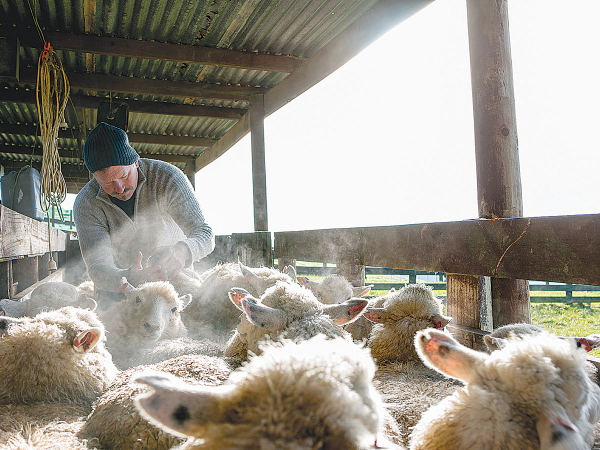
Beef + Lamb New Zealand (B+LNZ) is reminding farmers to protect their families and livestock as cases of Salmonella and Leptospirosis rise in the wake of Cyclone Gabrielle.
Leptospirosis sits in the kidneys and genital tract of infected animals. People who come into contact with an infected animal’s urine are most at risk of contracting the disease. However, the bacteria can also live in soil and water contaminated with animal urine – such as puddles around water troughs – and is often seen after flood events.
Common leptospirosis symptoms include headaches, flu-like symptoms and muscle and gut pain starting within 2-14 days of bacterial exposure but can present in a number of ways. Without treatment leptospirosis can advance into Weil’s disease, symptoms of which include jaundice, bleeding, meningitis Cyclone brings health challenges and multiple organ failure. It is estimated that one million people are infected with leptospirosis worldwide, with 59,000 deaths.
Healthy, well-grown animals are more likely to spread Leptospirosis to people through their urine, posing a risk during milking, calving, lambing, shearing, or slaughtering and processing stock.
“All mammals can be infected by Leptospirosis and we’re currently seeing an increased number of cases in dogs,” says B+LNZ’s senior advisor for biosecurity and animal welfare Will Halliday.
Meanwhile, Halliday says cases of Salmonella hindmarsh, a strand of the salmonella bacteria most often found in the guts of sheep and cattle, are also on the rise.
Though normally benign, in situations of high stress – such as abrupt change of feed, wet weather or rough transportation – it can advance into the disease salmonellosis. The symptoms range from general lethargy and loss of appetite through to severe diarrhoea, dehydration and even death.
Halliday told Rural News that when farmers are dealing with livestock, living or dead, hygiene will be of the utmost importance in dealing with these diseases.
“Wear protective clothing and cover open wounds, wash your hands and change clothes before having a meal to try reduce what is on your hands or in your clothes from getting into your mouth or nose.”
In human cases of salmonellosis symptoms commonly show up within 12-72 hours and may include abdominal fevers and cramps, diarrhoea and vomiting typically lasting anywhere from 2-10 days.
Salmonella bacteria quickly multiplies in warm, wet conditions so refrigerating foodstuffs will provide the best defence against bacterial growth.
If refrigeration is not available, frequent hand washing with soap and making sure food is cooked thoroughly and washed beforehand (in previously boiled water) will help to minimise spread.
Halliday says that the best form of prevention of Salmonella and Leptospirosis is for farmers to vaccinate their animals to stop people getting sick, prevent infections and reduce stock loss.
“Vet clinics in the region are up running, so farmers shouldn’t hesitate to organise vaccinations.”
In cases of human infections, antibiotics applied early can frequently stop symptoms evolving. People are advised that if they come down with leptospirosis or salmonellosis to consult a doctor.