Rural primary schools have received more than $109,000 from ANZCO Foods as part of the company’s Sponsor a School Programme, with several recipients located in the South Island.
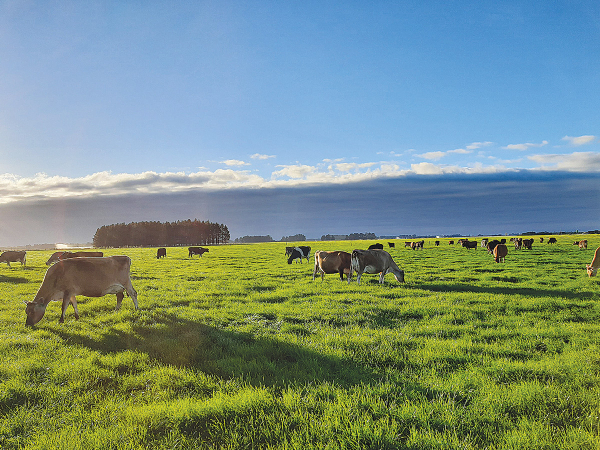
ANZCO Foods works with local dairy farming families who nominate a rural primary school to receive a donation from the company, that is linked to supply.
The donations mean ANZCO Foods has donated more than $1.4 million to rural schools since the programme began in 2011, and these donations have been used for a range of resources including playground bark, fruit and vegetable gardens, and extra literacy lessons.
Shannon Parnham, head of livestock at ANZCO Foods, says the Sponsor a School programme is a rewarding way to directly impact future generations and allow farmers to have a positive input into their local communities.
“It’s fulfilling to know that these donations are providing Kiwi children with tools for essential life skills,” says Parnham. “This is a company donation from ANZCO – there is no cost to participating dairy farmers.”
The five South Island schools that received the largest donations were Hinds School, Carew Peel Forest School, Dorie School, Mayfield School, and Dunsandel School.
“Our school community is very grateful for the funds donated to us through the ANZCO Foods scheme,” says Aroha Stewart, Mayfield School Principal.
Mayfield School in Canterbury will put the funds towards teacher aides that will give their students additional literacy lessons.
“Without this money, it wouldn’t have been possible to give these students the boost they needed,” she says.
St Joseph’s Opunake School in Taranaki received $3,084. Brook Murfitt, acting principal, says they are hoping to put the donation towards improving and expanding the vegetable and fruit gardens at their school.
“We are hugely appreciative of ANZCO’s generosity,” says Murfitt.
“Our school has a Student Environmental Team and part of their role is to plant and take care of five fruit and vegetable gardens. We’re looking at using the funds to purchase more plants, improve the wooden garden frames, and potentially updating our garden tools, so we can continue to look after our gardens throughout the year.”