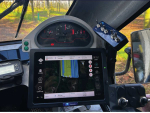
Tabula Launches End-to-End Contractor Platform
As agricultural contractors continue to address soaring costs and a challenging labour market, attention to detail remains paramount, with any errors directly affecting gross margins.




 increase font size

FARMERS COULD extract 20% more value from their fertiliser spend by using their fertiliser contractors' TracMap TracLink system more effectively, says the company's managing director Colin Brown.
He spoke to 50 drystock and dairy farmers at a Dargaville seminar organised by Northland fertiliser supplier and spreading contractor KD Spreaders.
Brown pins the increase to variable spreading rate maps. Made possible by cloud-stored farm mapping software such as TrackMap's TracLink system, variable spreading rate maps match fertiliser application to topography and stock behavior, rather than 'blanketing' a farm or paddock.
Brown argues that because stock stay on hillsides only long enough to graze, they tend to carry the nutrients used to grow that pasture down to 'camps' on flats.
As a result, nutrient and mineral levels on hillsides tend to drop so low that high-producing rye and clover cultivars are unable to grow and the sward reverts to browntop, kikuyu or other low feed-value, low nutrient-requirement grass varieties.
You see a similar result on dairy farms: greater pasture growth at the gate and trough parts of a paddock where cows tend to congregate, Brown says.
Fertiliser applied at blanket rates set for an entire farm don't go far enough in addressing the shortfall. While an average application rate of 230kg/ha phosphate/season is often more than enough for most farms, it doesn't go far enough to meet the nutrient needs on hillsides.
Brown recommends reducing the amount of fertiliser applied on flats and in stock camps, and spreading it instead on the hills. His TracLink system facilitates this, allowing a farmer to quickly and easily send detailed maps specifying different fertiliser application rates within paddocks to his fertiliser rep.
Developed using information from Google Earth, the online platform allows a farmer to set out a digital map of his farm, providing the fertiliser spreader with unprecedented data. This is done by first accessing the cloud-hosted system through a computer browser and plotting boundaries, fences and various farm zones on the Google Maps powered interface.
Plotting a basic map is said to take only one or two hours, even for a novice using a slow internet connection.
Plotting a more detailed variable rate map takes more time, Brown says, and may need the help of a more tech-savvy neighbour. "There's no shortage of teenagers you could pay a hundred bucks to work a mouse while you show them where to click."
With 77% of the country's fertiliser spreaders using a TracMap GPS system, it remains only for farmers to digitally map their farms and spread fertiliser strategically. Then phone the contractor.
The company has TracLink improvements in process, due for release this month. "It will make plotting farm maps much easier." Tel 0800 87 22 62
www.tracmap.co.nz
As agricultural contractors continue to address soaring costs and a challenging labour market, attention to detail remains paramount, with any errors directly affecting gross margins.
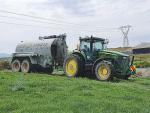
Digital systems will come into their own with COVID-19 restrictions, says James Watson of TracMap.
Farmers can now order, initiate and record fertiliser and spray applications on their farms at the click of a button.
DUNEDIN-BASED agricultural GPS business TracMap has extended its market further into Australia, signing a major new supply agreement with Kagome Foods, the country's largest tomato grower.
ORDERING AND tracking fertiliser and spray is made easier for farmers and contractors using a new system from TracMap NZ Ltd, the agricultural GPS company.


Converting a longstanding cropping farm to dairy was the only way to ensure the land stayed in the family long term, says new dairy farmer Rod May.

As the election heats up, Organics Aotearoa New Zealand (OANZ) has launched its election scorecard designed to help voters wanting to support policies that grow organic and New Zealand's organic sector.
A 'tsunami' of milk from key exporting countries is winding down and this may be good news for New Zealand dairy farmers.
Will the good times last? That's one of the key issues to come out of the latest Federated Farmers confidence survey.
Outgoing Fonterra Co-operative Council chair John Stevenson says that it has been a privilege to represent the co-op's farmer shareholders.
Have a plan in place for your cows and staff.




OPINION: The same mainstream media muppets that brought you Jacindamania in 2017 have been flat out pimping for the Opportunities…
OPINION: Your old mate reckons the atrocious way farmers in the UK are treated by their lords and masters in…




