Free Flu and Covid-19 boosters available
District Health Boards across New Zealand are kicking off a push to encourage people to get their flu jabs ahead of what is expected to be a tough winter.




 increase font size
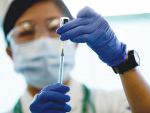
 Mark Ross.
As we struggle to fathom how we ended up in the throes of a measles outbreak again, we’re reminded of the importance of vaccinations to protect us from life-threatening diseases.
This is no less true for animals which can share diseases with people. Vaccination vastly improves the health of people and animals and is vital for continuing to meet the health challenges of growing populations.
Vaccinating animals protects them from life-threatening diseases such as distemper, hepatitis, parvovirus and leptospirosis, which affect New Zealand animals.
Leptospirosis is a zoonotic disease shared between rats, dogs, pigs, cattle and people. The Accident Compensation Corporation says New Zealand has one of the highest rates of leptospirosis in the world. It puts farmers, particularly dairy farmers, at risk as it can spread from infected urine in dairy sheds. It is also an occupational risk for meat workers, who can contract the disease in the same way. The New Zealand Veterinary Association says anyone in contact with cattle could be at risk.
The spread of disease between humans and animals remains a constant threat. With a growing global population, the risk of zoonotic diseases spreading will increase as humans and animals live closer and closer together. This coincides with an increasing demand for food when resources for agriculture are increasingly under pressure.
As well as affecting human and animal health, animal diseases harm livestock, wildlife and agriculture. They also result in revenue and trade losses.
Many killer diseases have been kept in check by responsible animal owners maintaining vaccination programmes. Rabies, for example, is a completely preventable virus that is fatal if left untreated. It kills more than 59,000 people each year, mostly children in Asia and Africa. If this isn’t tragic enough, the impact of the virus is estimated to cost in excess of US$6000 million, says the World Health Organisation (WHO).
Many animals die of rabies. Its transmission to livestock reduces food productivity. Bovine rabies causes one million cattle deaths in Central and South America every year.
Dogs are subject to unnecessary cruelty in attempts to eliminate the virus. The World Society for the Protection of Animals (WSPA) says millions of dogs are needlessly culled each year due to a fear of rabies.
Rabies is prevented by vaccinating dogs. Through research and pilot programmes, WSPA found that vaccinating at least 70% of a community’s dogs creates ‘herd immunity’. This occurs when a significant proportion of the population (or herd) is immunised, providing a level of protection to unprotected individuals.
When a large number of animals in a community are vaccinated, it breaks the cycle of transmission between dogs. This prevents it from spreading to people.
The World Health Organization, World Organisation for Animal Health, UN Food and Agriculture Organisation and the Global Alliance for Rabies Control have committed to ending dog-mediated rabies in people by 2030.
Continuous investment in breakthrough technologies and innovation is imperative to control diseases among animals as well as their spread to humans, as are appropriate government strategies for disease eradication.
We should take advantage of life-saving vaccines to limit the spread of disease and ensure people and animals remain healthy and productive.
• Mark Ross is chief executive of Agcarm, the industry association for companies which manufacture and distribute crop protection and animal health products.
District Health Boards across New Zealand are kicking off a push to encourage people to get their flu jabs ahead of what is expected to be a tough winter.
The dairy industry is facing the prospect of losing some highly skilled staff because they are not fully vaccinated.
Get vaccinated - that's the message from the National Secretary of the Meat Workers Union to his members.
Mandatory vaccination against Covid-19 for meat sector workers is still up in the air.
OPINION: Rural NZ is again getting the rough end of the stick when it comes to services - this time in relation to Covid-19 vaccinations.


Farmer-owned fertiliser company, Ballance Agri Nutrients is welcoming National’s plan to negotiate security agreements with key supplier countries to protect New Zealand-bound products from export restrictions and greater supply chain certainty.

Carrfields has announced the appointment of Stu Hall to the newly created role of chief operating officer, Carrfields Ltd, reflecting the continued growth of their agribusinesses and the need to ensure the company has the leadership capacity and support in place as it pursues the emerging opportunities ahead.
New Zealand's role is not to compete with Indian growers, according to NZ Apples and Pears.
The potato industry is celebrating the success of two rising stars - James Blair, the 2026 Young Grower of the Year and runner-up and innovation award winner, Amber Davy.
Twenty-eight emerging leaders from across the horticulture sector spent two days last month learning valuable skills and connecting with industry experts.
There are five entrants in this year’s Young Horticulturist of the Year, competing in a series of technical, practical, business and leadership challenges.
OPINION: It seems Canterbury processor Synlait is still in the doldrums.
OPINION: Get offside with New Zealand First leader Winston Peters at your own peril.