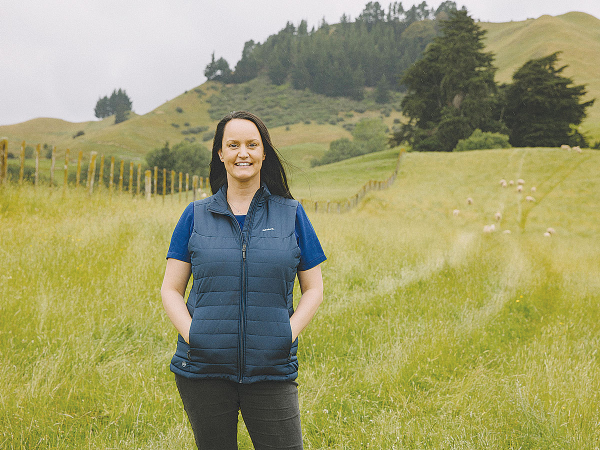
New Zealand dairy farmers are facing uncertain and complex times, says Rabobank’s senior agricultural analyst Emma Higgins.
And she says there's more pain to come before things start to settle down.
The heart of the issue is China, which is taking longer than predicted to come out of the woes caused by Covid-19. She says, when it comes to the farmgate milk price, this season there will be more discomfort for dairy farmers. She adds that while there are rays of hope, these are some way off.
"The Chinese market is still sluggish," Higgins told Dairy News.
"The economic headwinds within China and the economic growth expectations for China are shrouded in uncertainty right now and so what we think is that a strong demand recovery is not likely.
"What we are talking about going forward is that positive imports into China are not expected until next year at the earliest," she says.
Higgins says there are several factors at play to the challenges that China is facing.
These include dwindling demographics, property price pressure and high debt levels.
She says whichever way you slice the data, demand for dairy in China has been far weaker than supply growth. Until this is resolved, the problems are likely to continue. On the positive side, she says in the last quarter, China has been buying product.
"But it's less than what they have historically done, but at least they are buying," she says.
On the other side of the world, one of the biggest importers of dairy products, Mexico, remains a strong buyer.
The other positive, says Higgins, is rising demand in other parts of South East Asia, tempered by the fact that South East Asian countries heavily dependent on tourism were badly hit by Covid.
"What we have seen transpire over recent times is their food service indutry has started to recover, which has been great, but the next challenge is the cost of living crisis and the impact that has for dairy demand," she says.
Global Picture
Aside of the China situation, the major global dairy exporters, including NZ, are also facing challenging times.
The growth in dairy production in places such as the US, Europe, Australia and South America is slowing and is likely to help offset sluggish demand for dairy, and lead to a 'balancing of the global dairy sector'.
Emma Higgins says Rabobank believes, for example, that in the coming season milk production in NZ will decline by 0.7%. She says for China to come back fully into the market, overall world milk production needs to decline.
She says worldwide dairy farmers are struggling to achieve profitability, and in the case of the United States, slaughter rates for cows are higher than normal.
 |
|---|
|
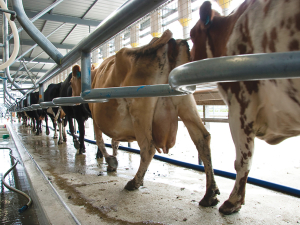
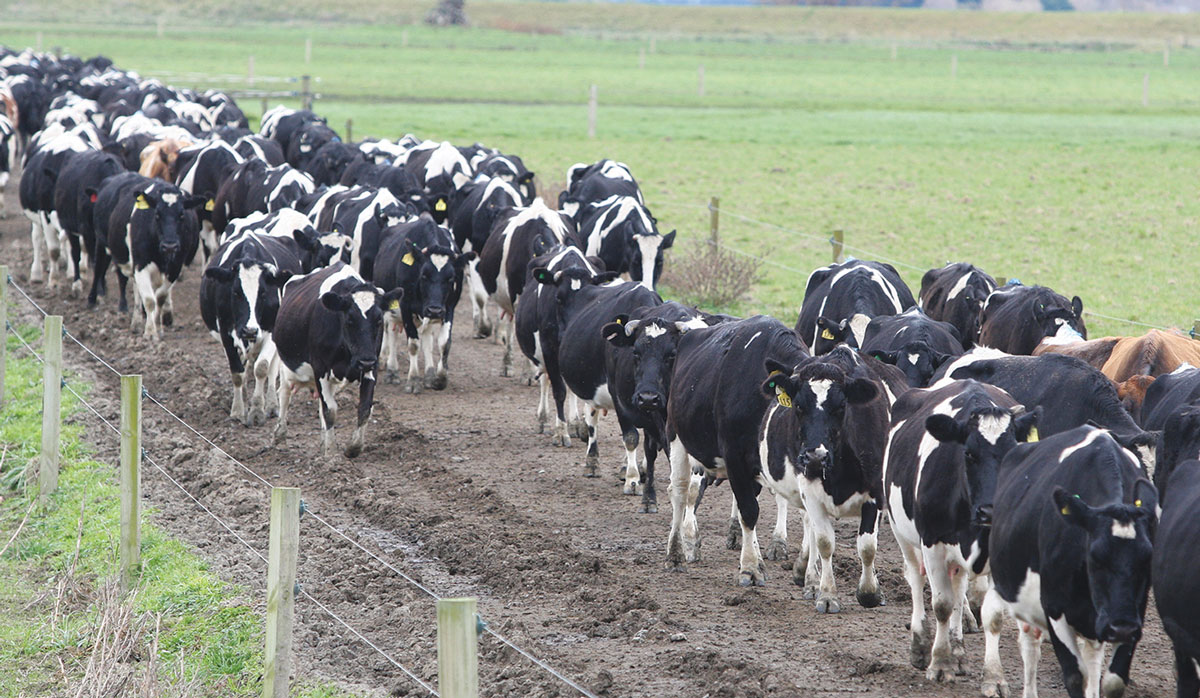
Worldwide dairy farmers are struggling to achieve profitability.
|
NZ dairy farmers, says Higgins, are caught up in this global dairy turmoil and this is translating into uncertainty. There is the prospect of the farmgate milk pricing moving up or down depending on what transpires in the future.
She says the fact that less milk is going to be produced in NZ this season may help. Outside the global issues, another concern has been raised – the weather. There are fears that the El Nino weather pattern may bring a drought.
“I acknowledge it’s particularly challenging for dairy farmers right now, especially if you overlay some of the production challenges they are having right now right during calving. But the good news is that the pain won’t last forever,” says Higgins.