Two West Coast dairy farmers were named in the Queen’s Birthday honours list.
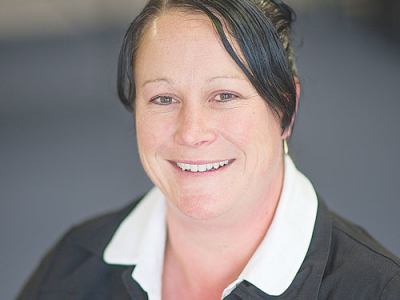
The 2016 Dairy Woman of the Year, Rebecca Keoghan, who lives in Wesport, was made a Member of the New Zealand Order of Merit. She is a director of Westland Milk Products and Buller Holdings, a partner in a family dairy farm and heads five Landcorp farms on the Coast.
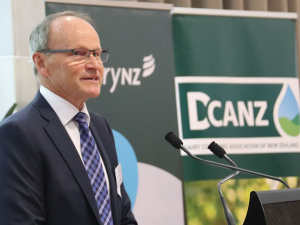
Ross Scarlett, a dairy farmer at Karamea, was also made a Member of the New Zealand Order of Merit for his services to the dairy industry and local government. He is a former chairman of Westland Milk who led the formation of the company when the dairy industry was restructured. He was also chairman of the Westland Regional Council.
Scarlett has played a huge role in the development of the West Coast in his dual roles as chairman of a dairy company and the regional council. He has farmed all his life at Karamea, the Coast’s northern-most settlement; he still has two farms with about 700 cows.
Scarlett led the move for WMP to go it alone and not join up with Fonterra when the dairy industry was restructured in 2001. He says this was a huge test for a company which until then had no experience in exporting. It had supplied all its products to the NZ Dairy Board to sell on their behalf.
But Scarlett says the balance sheet on WMP was very strong.
“We were afraid we may have got crucified in the market but in the end we wanted to be independent so we sought advice from an Australian. He told shareholders there was no more than just normal commercial risk and that gave them the confidence to go it alone; it has been very successful and I have no regrets.”
Though the company has been in the doldrums for the last couple of years, Scarlett says things appear to be back on track and the company has good opportunities.
Last summer was the worst he has experienced on the Coast, adding to farmers’ woes.
He says in his time as chairman of the Westland Regional Council and WMP he made a point of keeping the two jobs separate to avoid being accused of conflict of interest. He says the dual roles gave him a good insight into the dairy industry and the environment and the need for a balance.
“Dairying has a place in the environment but we have to be sensible about how we manage our farms. We have had some bad press because you will always get bad farmers and that tends to colour the thinking of the people in the cities.
“In the past there could have been issues about the environment but dairying now is very conscious about what the rest of NZ thinks of them and they are concerned about doing things right for the environment. Gone are the days when people could fragrantly pollute rivers and the environment.”
Scarlett agrees there is an issue about increased dairy cow numbers and their likely impact on the environment; he sees the concern as valid and needing attention. He appreciates that farmers and regional councils are working more positively together.
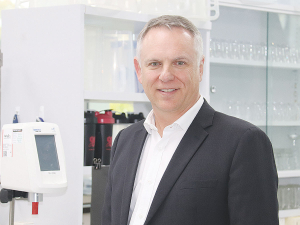
Others to receive Queens Birthday honours were the former Minister of Agriculture Jim Anderton; Doug Avery, noted for his work in mental health and growing lucerne; Peter MacGregor for his services to Maori and agriculture; and Nick Pyke for services to the arable industry.