
Lanaco and Blueair Launch World-First NZ Wool Air Filter
New Zealand wool is reaching new heights as air filtration companies move away from synthetic products to biodegradable alternatives.




 increase font size
 Depending on your aims, you will have different levels of interaction with your technology.
Technology is constantly evolving, meaning products change quickly so you need to ensure improvements and upgrades are yielding value from day one. When looking at on farm upgrades, WaterForce suggests that the following are key questions in your investment research:
What do I already have on farm and am I making use of this?
A wide range of products exist on many pivot or linear-irrigated farms already. Are you using these to their full potential? Making the mot of these can help you understand your next investments and what will give you the best yields in the future.
Is the hardware/product I'm looking at aligned with future product upgrades on my irrigator?
Many irrigators in NZ are over 10 years old now. In many cases these units will continue to operate for many more years, but will need replacement at some point. If you are investing in upgrades today, consider the age of your fleet and what products would be installed if critical hardware on them failed tomorrow.
What are the critical 'wins' I want from technology?
Is it improved production? Reduced water use? More time off farm whilst keeping an eye on what's happening? Do you need additional information to support your decision making? Are you after reduced fuel usage or lower power bills? Listing your aims can help clarify what's important today, and in the future.
What lifespan do I want from technology and what should its 'whole of life cost' be?
Products available vary in design, specification, capital and running cost. Discuss running costs vs capital cost, product lifespan expectations, and upgrade paths with your suppliers. Changes to the cellular network can add costs down the line (3G technology will be switched off in the not-too-distant future).
Radio mesh networks and the newer cellular communications products (Lora/Sigfox/NB-IOT) can often appeal with lower running costs. However, they can have limitations in the information they can transmit; or be at risk of one part breaking down and all parts of your system failing and losing critical data/services, until they are replaced.
Bleeding edge vs leading edge?
NZ is seen as a quick adopter of tech and this often leads to new products being released here first.
Ensure you understand the products you are looking at. Being the first customer in the region with products suits some growers, whilst others prefer the tried-and-true approach. Understand the partners and their products before you invest.
What do I need to do to make best use of this technology?
Depending on your aims, you will have different levels of interaction with your technology. The automated farm is several years away. For now, decision making about best use of technology on farm, saving power, reduction of water usage etc relies on the farmer. The technolody supports the decisions, but the farmer remains critical to getting the best production, for the lowest cost and environmental impact. Understand who in your team will help make best use of this investment.
New Zealand wool is reaching new heights as air filtration companies move away from synthetic products to biodegradable alternatives.

Generative AI in the workplace, trials in the field, and industry-relevant research took centre stage at this year’s Grape Days events in Central Otago, Hawke’s Bay and Marlborough.
Virtual fencing company Halter is going global but for founder Craig Piggott, New Zealand farmers will always remain their main partners.
Use of agricultural drones by contractors in New Zealand is soaring.
OPINION: New technologies can promise the world but how do we know if they are delivering?


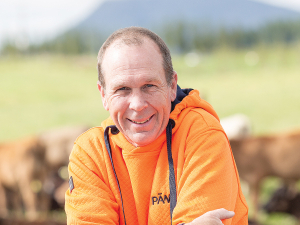
Pāmu has released its FY26 Integrated Annual Report, reporting a Net Operating Profit of $113 million, more than double the $49 million recorded in FY25.

Meat Industry Association data, released alongside the Red Meat Sector conference in Wellington, shows export value climbing across the US, China, UK and Canada.
Applications are set to open for the 2027 Zanda McDonald Award, a trans-Tasman award recognised for identifying and fast-tracking talented young leaders in agriculture and agribusiness.
The Royal New Zealand College of General Practitioners (the College) and Hauora Taiwhenua Rural Health Network are calling for investment in a proposed new training pathway for rural GPs, warning that many rural practices are struggling to recruit while a large share of the existing workforce nears retirement.
Federated Farmers has called on Central Otago District Council (CODC) to drop or vote down a plan to truck sludge from Alexandra and Cromwell to farmland near Lauder, warning it would compound an "outrageous" situation created by a separate council's decision weeks earlier.
Synlait has swung to second-half profit as operations stabilise, but the dairy processor still posted a $75.4m annual loss.

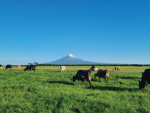


OPINION: It seems Canterbury processor Synlait is still in the doldrums.
OPINION: Get offside with New Zealand First leader Winston Peters at your own peril.




