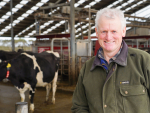
Inside the Southland Dairy Farm Where Robots and Pasture Work Together
In Dacre, near Invercargill in New Zealand’s South Island, Bruce Dinnington is running a dairy operation unlike any other.




 increase font size
KILLING bobby calves with hammer blows to their heads should send shivers down the spine of every Kiwi dairy farmer.
The days of ‘she’ll be right’ are gone, as are the days when ‘what happens on the farm stays on the farm’.
And perceptions held by onlookers are as important as ever. Vast numbers of people now own a camera-cellphone, and social media can spread misinformation at light speed.
Trying to educate the public about farming practices is by-and-large a lost cause because townies, especially in Auckland and Wellington, dwell in another universe.
It may be that farmers now must try to think like an imagined Aucklander -- or a Berliner -- to try to second-guess their perceptions of how farming is and how it ought to be.
The citizens of Grey Lynn and Karori need to know that farmers see no great sport in bashing their baby charges with hammers, nor, for that matter, having their vets induce calves. We acknowledge the public, with the animal ethicists, want animals killed ‘nicely’. (Sentient beings are to be euthanased humanely, not bashed to death.)
New Zealand agribusiness is vulnerable because it pitches its products to the affluent and educated – the high end of the market. The reward is better prices, the requirement is higher standards.
Farming leaders need to get off the fence and lead from the front, personally showing their farms as examples of best practice in animal welfare. One-time airline owner Sir Reg Ansett once said “the speed of the boss is the speed of the team”. Right!
Dairy farmers need to be one step ahead of the consumer and offer new value propositions that show they are leaders not followers of best practice.
In Dacre, near Invercargill in New Zealand’s South Island, Bruce Dinnington is running a dairy operation unlike any other.
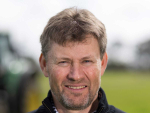
Rural leader Mark Hooper has been appointed as an independent director to the NZPork board, bringing extensive farming, governance and advocacy experience to the role.
Climate, nature and animal wellbeing make up Fonterra's refreshed sustainability roadmap released last week.
B+LNZ's Wormwise veterinarian Mary Bowron has won the Best Sheep and Beef Vet of the Year Award in recognition of her outstanding contribution to New Zealand’s sheep and beef sector.
With lambing underway in many regions, Beef + Lamb New Zealand is encouraging farmers to put together a wellequipped lambing kit to help minimise lamb losses, particularly in bad weather.


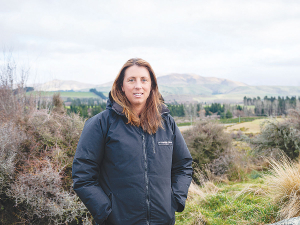
Beef + Lamb New Zealand (B+LNZ) says it welcomes the passage of the Natural Environment Bill and Planning Bill, calling the bills a positive step for sheep and beef farmers.
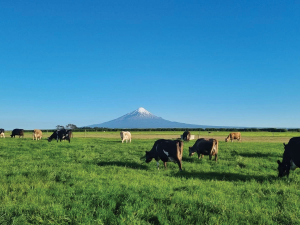
A spate of southerly winds bringing cold temperatures has presented challenges for Taranaki dairy farmers.
Converting a longstanding cropping farm to dairy was the only way to ensure the land stayed in the family long term, says new dairy farmer Rod May.
As the election heats up, Organics Aotearoa New Zealand (OANZ) has launched its election scorecard designed to help voters wanting to support policies that grow organic and New Zealand's organic sector.
A 'tsunami' of milk from key exporting countries is winding down and this may be good news for New Zealand dairy farmers.
Will the good times last? That's one of the key issues to come out of the latest Federated Farmers confidence survey.




OPINION: The same mainstream media muppets that brought you Jacindamania in 2017 have been flat out pimping for the Opportunities…
OPINION: Your old mate reckons the atrocious way farmers in the UK are treated by their lords and masters in…




