Rural Mobile Coverage Worse After 3G Shutdown, Survey Finds
Mobile phone coverage and reliability are deteriorating in rural areas, and farming families are bearing the cost, according to a Federated Farmers survey.




 increase font size
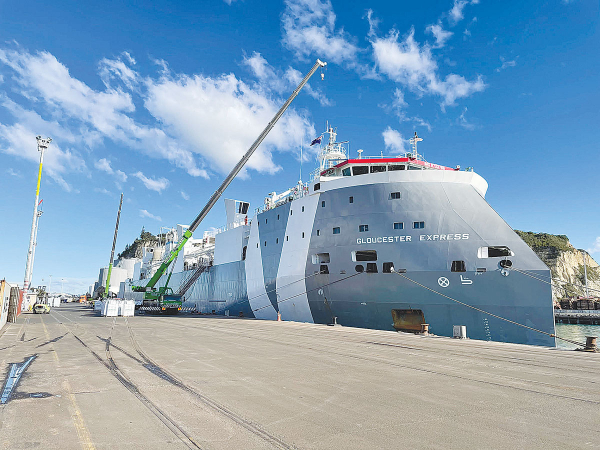 Will Prime Minister Chris Hipkins drop the live export ban onto the policy bonfire?
OPINION: It's the season of Government u-turns on key policies and farmers are hoping it will extend to the ban on live cattle exports.
They will be happy should Prime Minister Chris Hipkins kick the live export ban into touch, like he has done with a merger of public media entities, a social insurance scheme, hate speech reforms, a biofuels mandate and a cash-for-clunkers rebate to get Kiwis driving electric vehicles.
Hipkins says he is doing all this in the name of helping the country recover from a cost of living crisis.
This is where ACT MP Mark Cameron’s Bill makes much sense. The Ruawai farmer points out that latest forecasts show that live animal exports are expected to generate $500 million for the New Zealand economy this year.
He rightly questions whether New Zealand is wealthy enough to just flush away a half a billion dollar industry – especially amid a cost of living crisis and a natural disaster recovery.
When the Government announced the ban on livestock exports by sea in 2021, it granted the sector a two-year transition period, allowing exports to continue under tightened rules which were introduced after the sinking of the Gulf Livestock 1.
Nearly 6000 cattle and 43 crew, including two New Zealanders, were on board the Gulf Livestock 1 when it capsized in the East China Sea in 2020.
Back then, Agriculture Minister Damien O’Connor said the trade posed an unacceptable risk to New Zealand’s reputation in a world where animal welfare was under increasing scrutiny.
But the Government was advised not to proceed with the ban because it would hammer rural New Zealand.
Cameron refers to the regulatory impact statement that stated “live animal exports provide a boost to New Zealand’s economy, rural communities... any move to prohibit the export of livestock would cause an economic loss to these groups and make recovery from Covid-19 more difficult”.
Federated Farmers says New Zealand has an international reputation for strong animal welfare. It warns the global live cattle trade will continue but from countries and by exporters with lower animal standards filling the gap.
If we were still involved, our high standards would push others into lifting their game.
Cameron will hope that his Bill is picked in the ballot and tabled before MPs.
But he also suggests that if the Labour Government doesn’t want to wave goodbye to a crucial source of revenue for a recovering rural sector, they should not wait for his Bill and just repeal it immediately.
Mobile phone coverage and reliability are deteriorating in rural areas, and farming families are bearing the cost, according to a Federated Farmers survey.
Central Otago District Council (CODC) has voted against a plan to spread treated sewage sludge from Cromwell and Alexandra on farmland near Lauder, a decision Federated Farmers says reflects strong opposition from rural residents.
Federated Farmers has called on Central Otago District Council (CODC) to drop or vote down a plan to truck sludge from Alexandra and Cromwell to farmland near Lauder, warning it would compound an "outrageous" situation created by a separate council's decision weeks earlier.
Federated Farmers says new legislation replacing the Resource Management Act will cut red tape, unlock investment and help grow New Zealand's export-led economy, after the Planning Bill and Natural Environment Bill passed their third reading in Parliament yesterday.
Leading figures from the major political parties will be questioned on their primary sector policies at the Rural Issues Debate at Mystery Creek Events Centre, Hamilton, on 30 September.


A major move is about to get underway to improve the quality and viability of dairy beef and cattle in NZ.
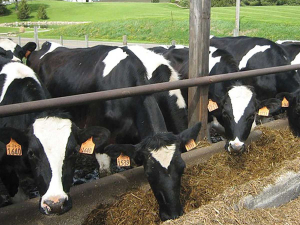
Veterinarians say changes to the code of welfare for dairy cattle provides a positive foundation for improved cattle welfare across the country.
Today, 15 October, is the International Day of Rural Women, which recognises rural women’s contribution to farming, communities and the environment.
Global dairy giant Lactalis has integrated its Australian operations with the Mainland Dairy consumer business it acquired from Fonterra earlier this year.
After almost two decades of sharemilking, saving and building equity, Aaron and Marcia Flay this year realised their long-held dream of settling on their first dairy farm.
Good medium to long term prospects for NZ beef, especially in the US, has heighted the focus on various initiatives to capitalise on this situation.


OPINION: It seems Canterbury processor Synlait is still in the doldrums.
OPINION: Get offside with New Zealand First leader Winston Peters at your own peril.




